Not every day can we celebrate the 500th anniversary of one of the most important royal weddings in European history, but this historic event is made more special because part of the story took place in the small town where I live!
Who’s who
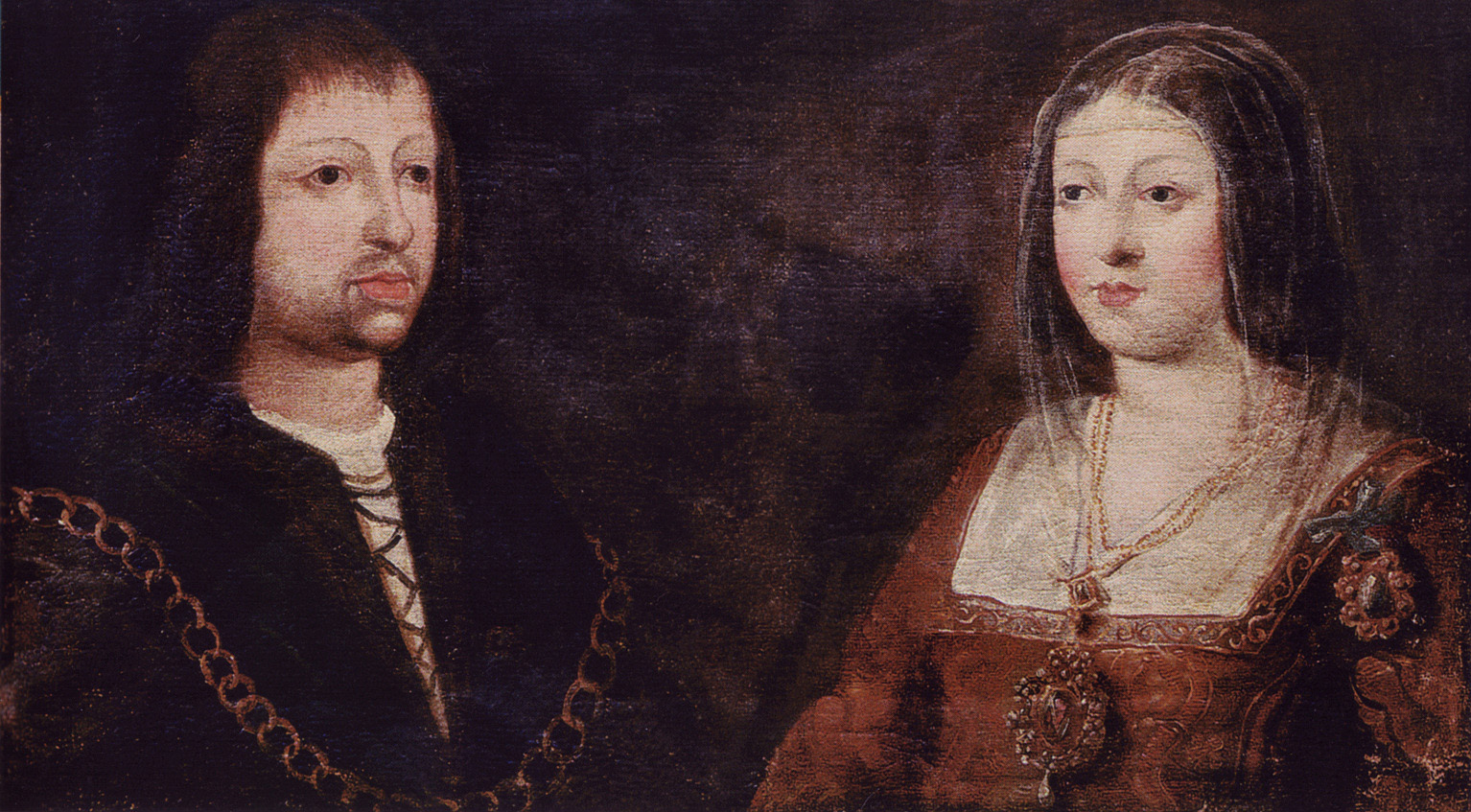
Spanish history begins with the marriage of Fernando II of Aragón & Isabel La Católica of Castilla y León in 1469. This important partnership began a unification process which lead to the birth of España… eventually. Little did Fernando & Isabel know that they’d witness the fall of Granada & sponsor the voyage of Columbus to America. Even more unforeseen was the incorporation of Hapsburg territories to that of Spain’s with the marriage of their daughter, Juana, to Philip the Handsome.
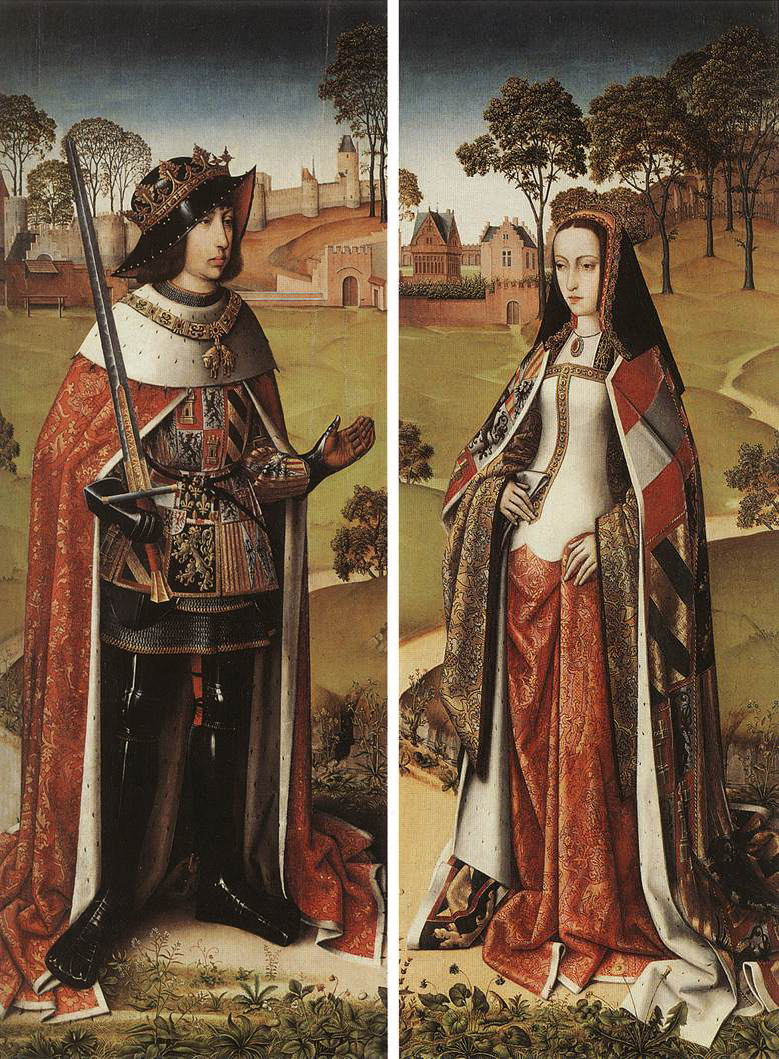
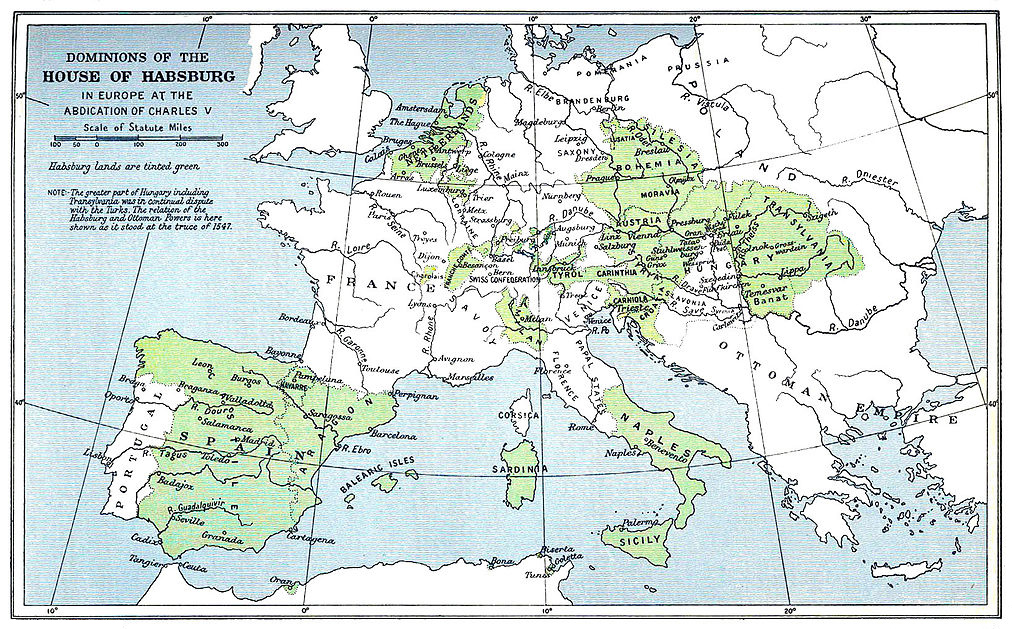
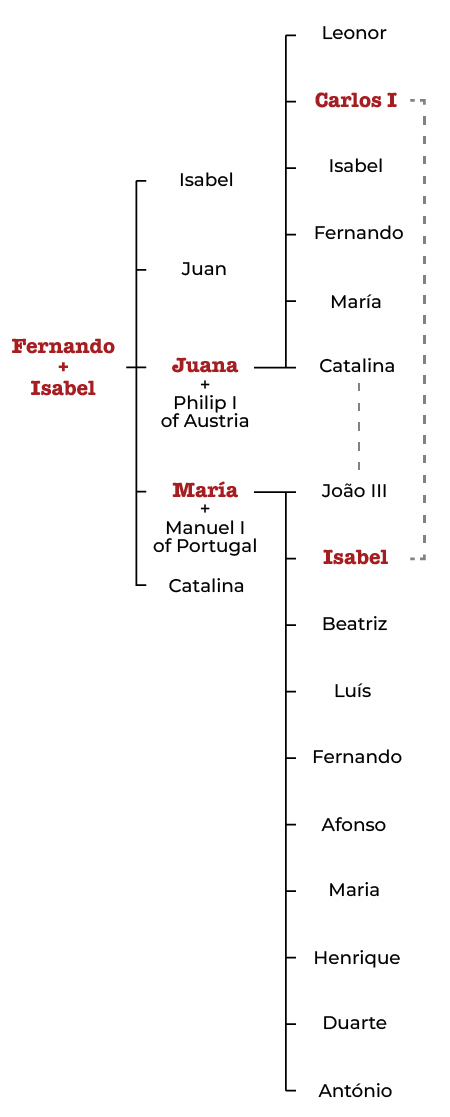
With the death in childbirth of Fernando & Isabel’s first child as well as the early passing of their second born, Philip & Juana became responsible for the future of both their empires. Born in Ghent in 1500, their first son, Carlos, inherited his father’s territories at the age of six when Philip passed away. Carlos then conspired with Fernando to keep his mom out of the political & public arena, so took control of Juana’s possessions after the death of his grandfather —a sad & complicated story. Let’s just say Carlos had his hands full with everything highlighted below + America + the Holy Roman Empire… while still single:
In the meantime, Fernando & Isabel’s fourth child married the king of Portugal, Manuel I. They had a whopping ten kids with the first being an heir to the Portuguese throne & the second, a daughter: the Isabel who would eventually wed Carlos… even though they were first cousins! As long as they received the parentesco papal from Clemente VII, their marriage could proceed as planned. The genealogical chart below helps visualize those intertwined family ties between Spain & Portugal:
Engagement
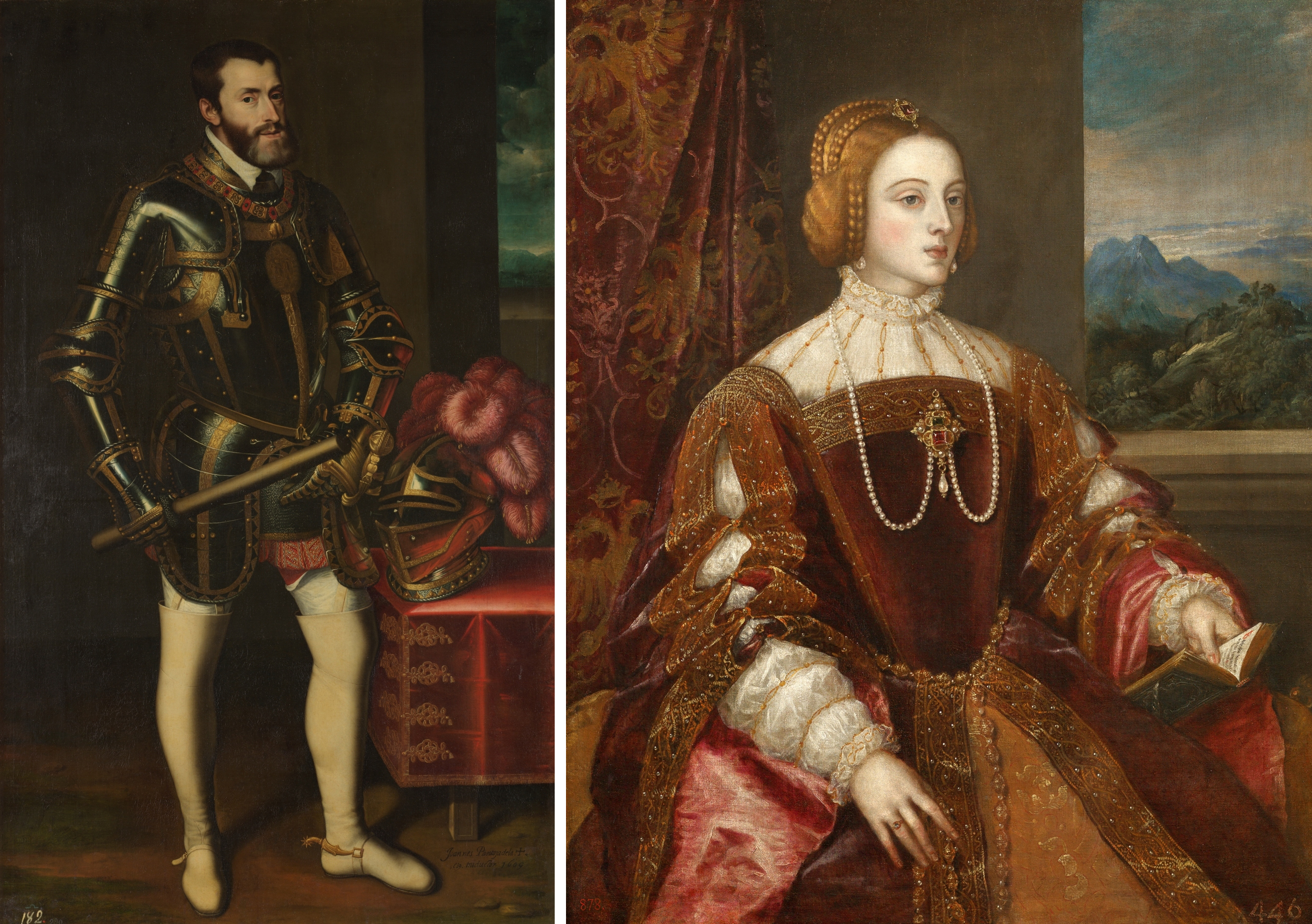
Manuel I died without seeing his first daughter married or even engaged. But he left instructions in his final testament that son & heir João III would ensure a perfect match. In fact, João III killed two birds with one stone by marrying the youngest daughter of Philip & Juana (Catalina) himself as well as secured Isabel’s engagement to Carlos. Let’s keep it all in the family, shall we?
An original plan had Carlos marrying Mary Tudor of England —yes, another first cousin. But Henry VIII did not want to send his daughter to Spain for the ceremony, so Carlos escaped that fate. Common for the time, he & Isabel had never met before their wedding… theirs was an arranged marriage meant to consolidate kingdoms as well as ensure lasting peace. In fact, Carlos & Isabel were wed in Sevilla as a show of political commitment to Spain on his very first visit to Andalucía.
El Pedroso
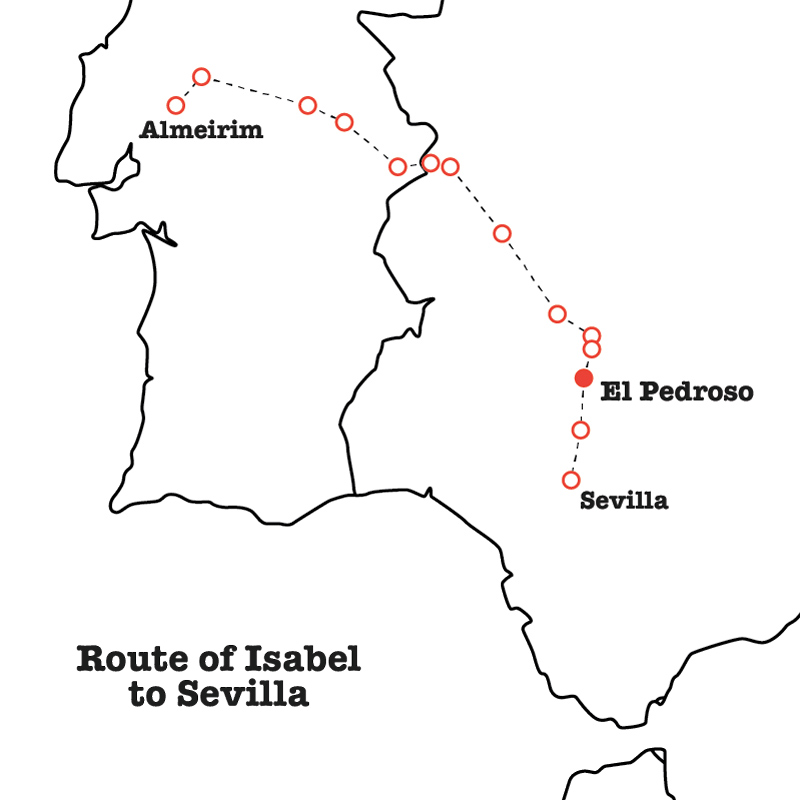
A marriage contract signed on 17 Oct 1525 sparked two betrothal ceremonies for Isabel of Portugal in the royal palace of Almeirim, a favorite winter residence that did not survive the 1755 earthquake. A discrepancy regarding the Pope’s permission for the royal couple to marry had to be clarified, but soon Isabel & both courts set off on a 12-stop journey to Sevilla.
Why so many overnights? Isabel slowed down her journey on purpose since Carlos was occupied with negotiations for the release of French king, François I. That’s a whole other drama, but she made the most of her trip & partied hearty. Who could blame her? And while in El Pedroso, Isabel received word of the birth of João III’s very first child, her nephew. Time for more festivities! Although their lodging wasn’t big enough for a proper dance, they somehow managed:
[…] e por questa nova veo estamdo a senhora emperatriz ja pera partir nõ ouue emtão majs lugar de festa e ē chegamdo ao pedrosso
mamdou sualteza a esses gramdes de castella que lago se tornasē per ella e todos se forã vestir asy os gramdes como todos esses outros castelhanos
e asy todollos purtugueses cada hū dos mjlhores vestidos rroupas cadeas e colares que traziã
e todos hūs e outros o mjlhor que podiã
e eu crea vosalteza que de minhas gallas nõ leixey nada pera o outro dia pojs para mjm este era o mayor de todos
e vime pera sualteza primeira e depoys esses outros todos gramdes que aquy estam e toda esa outra gemte homrrada […]
●
●
●
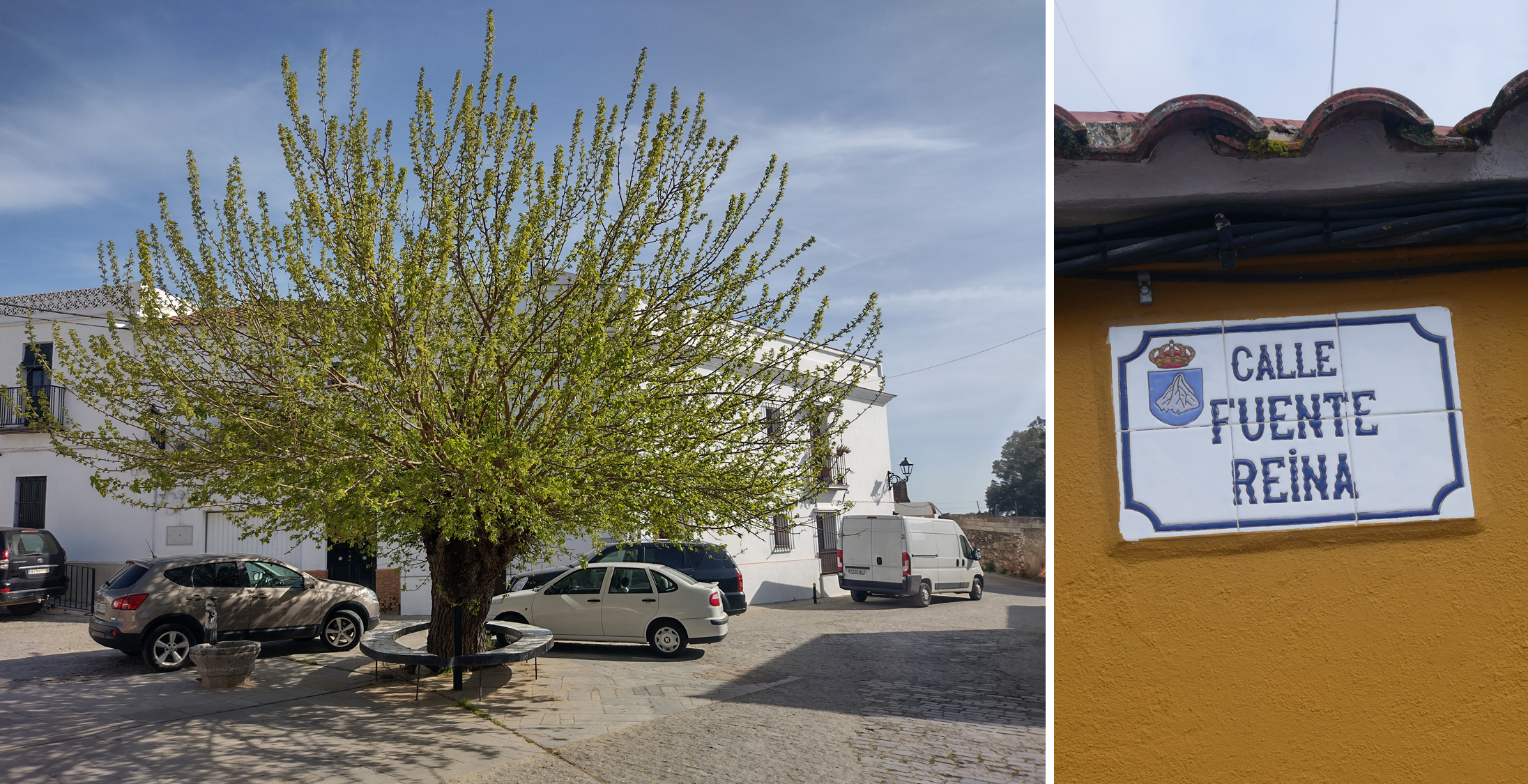
In El Pedroso today, there are only two shady references which may attest to the queen’s visit back in 1526: a street name & a randomly placed coat-of-arms. A large mulberry tree surrounded by a mosaic-covered bench sits next to a small fountain… the end point of a street called Fuente Reina. That tree commands the roundabout & grows back strong no matter how much the town government prunes it! More importantly, did Isabel commission a fountain for the town? Did she stop to drink here? We’ll never know. But also…
Along the local highway, a makeshift warehouse sports an out-of-place coat-of-arms with a large lion & the emblem of the Order of Santiago topped by a crown. While true that the Hapsburg shield has the same single lion design, the origin of this oddity is unknown. Was Isabel’s inn located nearby? Probably, since the perpendicular street is called “Mesón Afuera.” Did the shield once decorate its façade & manage to survive through the centuries? We’ll never know.
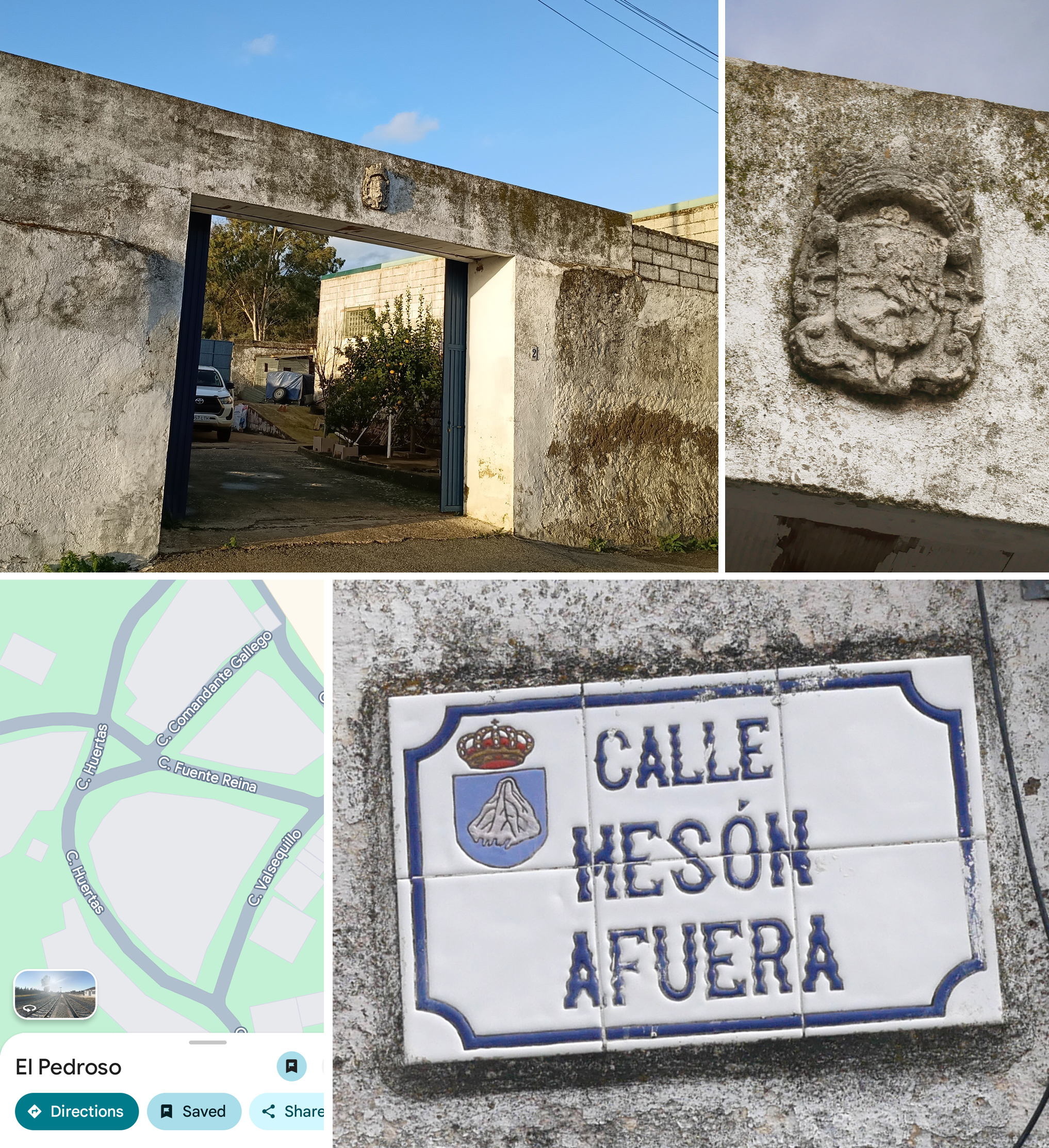
Sidenote: We have some great street names in El Pedroso, with one of my favorites being Commandante Gallego. No one knows who this Galician Commander was; however, I can’t help but think it would make a great name for an IPA!
Arrival
In spite of those dubious local clues, at least we have original documents from the era to place Isabel in El Pedroso. She didn’t stay long because Sevilla is only 60 km away. Isabel arrived to Sevilla on 03 Mar 1526, Carlos came exactly a week later, & they both entered via the Puerta de la Macarena which still stands —although much altered— today. Each passed through a series of triumphal arches that decorated the streets for the occasion on their way to the Royal Alcázar.
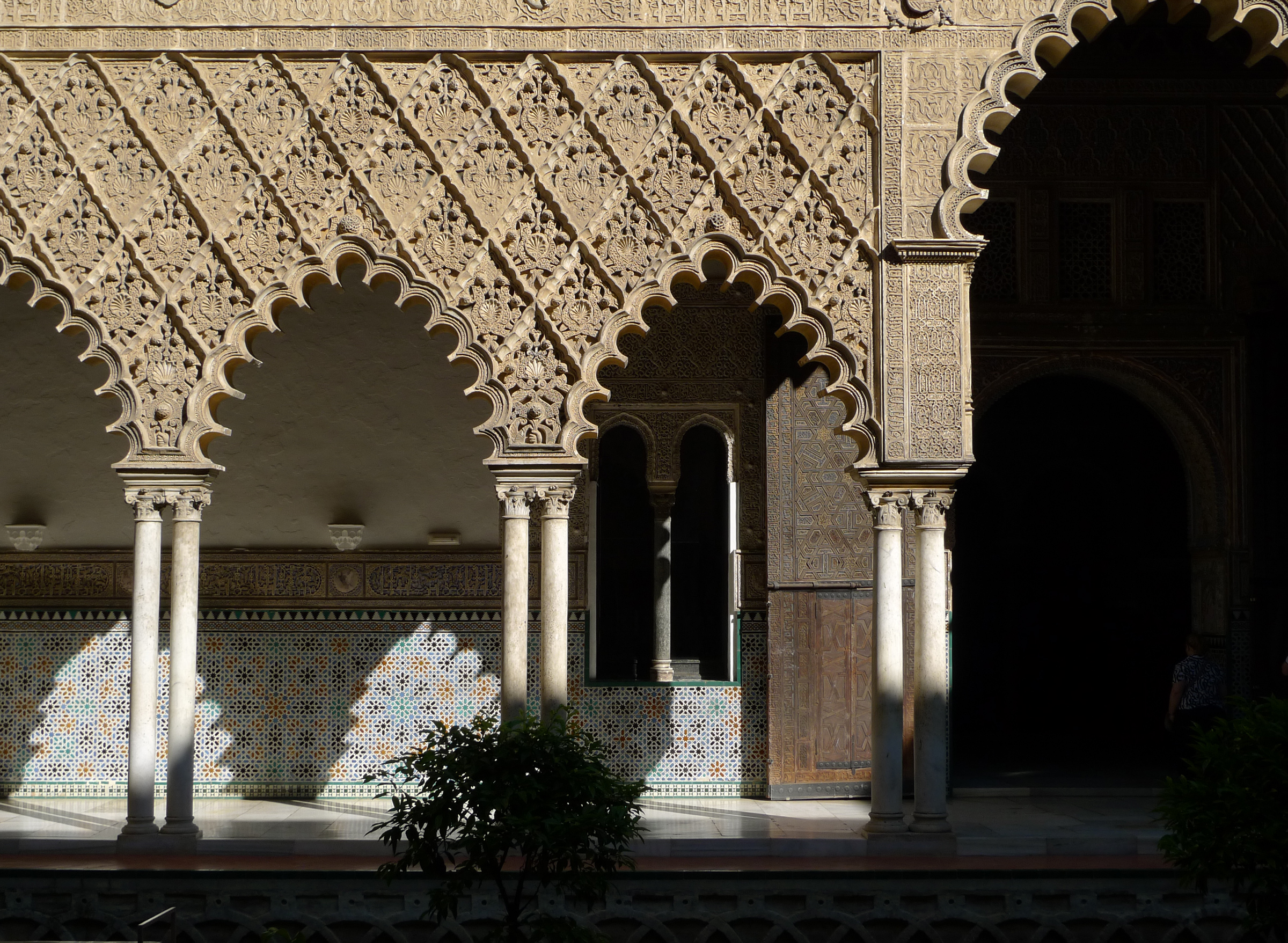
Nuptials took place in the Alcázar on the day after Carlos arrived on 11 Mar 1526 around midnight. Doesn’t seem like they were planned but spontaneous instead. Whatever the case, one of the claims to fame of my small town is that Portuguese royalty stopped for a quick visit & enjoyed our well-known hospitality. While you may never get to El Pedroso, take advantage of a variety of routes & activities in Sevilla dedicated to this royal wedding (click the last link in the bibliography below for more info; pamphlets are multi-lingual).
Bibliography
Gómez-Salvago Sánchez, Mónica (2016). Fastos de una Boda Real en la Sevilla del Quinientos (Estudio y Documentos). Editorial Universidad de Sevilla.
Reder Gadow, Marion (2019). Isabel de Portugal, esposa de Carlos V y gobernadora de los Reinos de España. Presentation from CAROLVS, segundo congreso. Universidad de Málaga.
García Bernal, José Jaime (2022). La boda de Carlos V e Isabel de Portugal en Sevilla (1526) as part of the project “Encrucijada de mundos: Identidad, imagen y patrimonio de Andalucía en los tiempos modernos.” Universidad de Sevilla.
Alvar Ezquerra, Alfredo (2013). Reseña bibliográfica of “La Emperatriz. Isabel y Carlos V. Amor y gobierno en la corte española del Renacimiento.” Cuadernos de Historia Moderna, Vol. 38, pp. 263-313.
Ayuntamiento de Sevilla website. 500.º Aniversario de la boda de Carlos V. Retrieved online 07 Feb 2026.