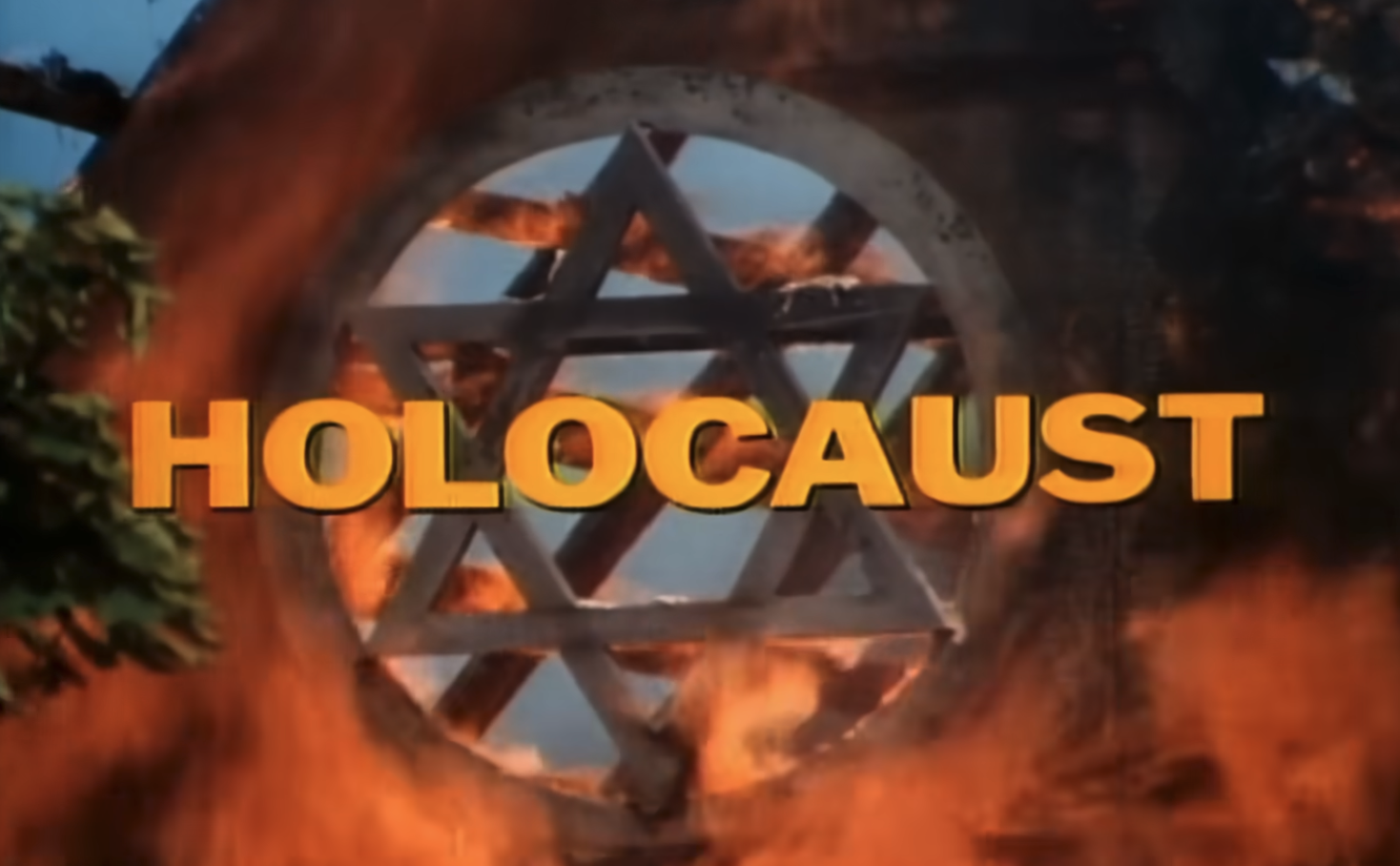
Brought to my attention while visiting the Haus der Geschichte (German modern history museum) in Bonn, I decided to look up this miniseries after returning home. We just finished watching all 8 hours, & wow… the impact this made-for-tv feature made around the world! Even Rafa remembers seeing the series as a kid…
1970s tv
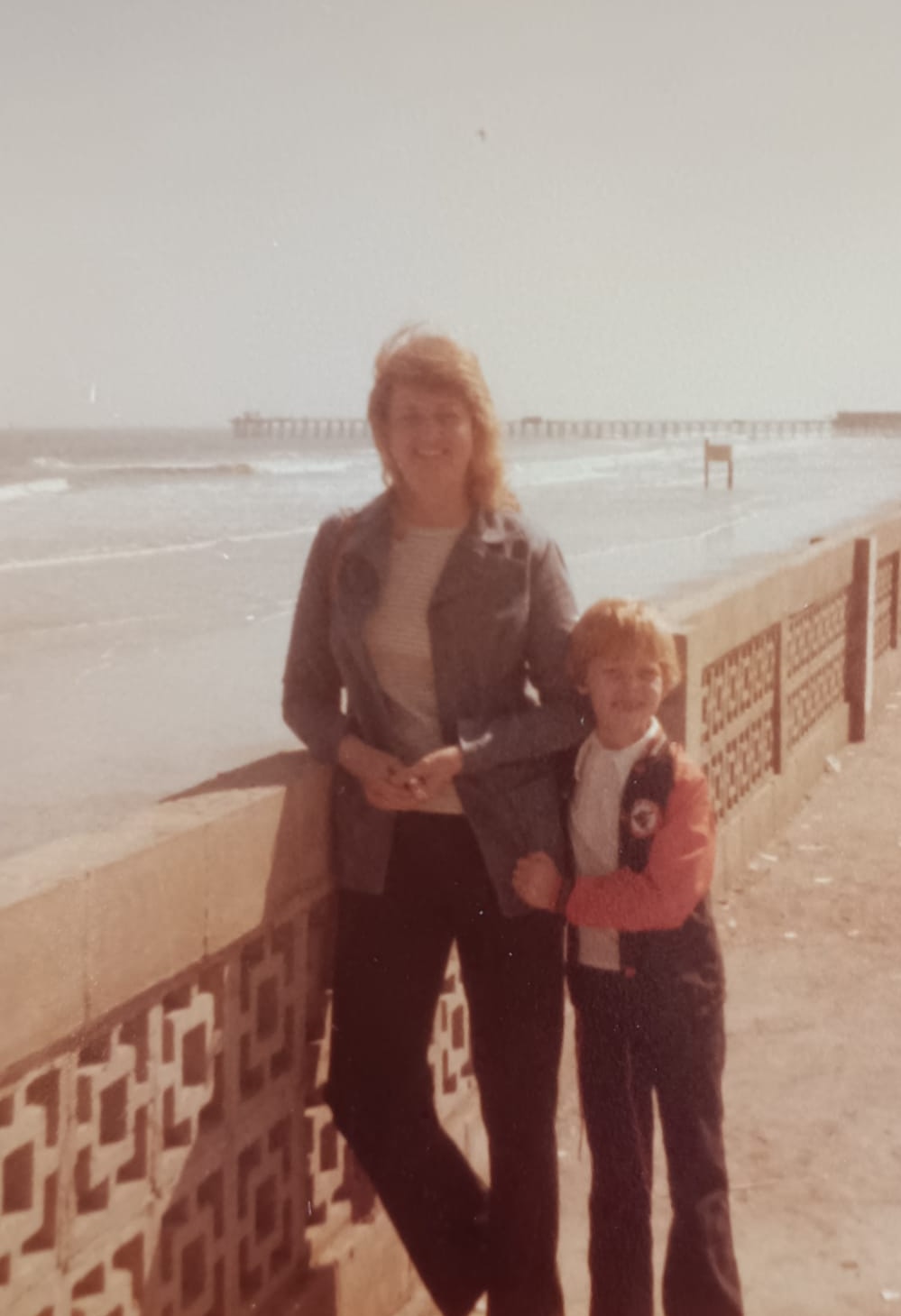
Like most kids of my generation, life often revolved around television with awards shows, after-school specials & most of all, big-budget miniseries becoming major events… anything that varied from normal programming. I remember Roots debuting in 1977 —based on a novel by Alex Haley written the previous year— but due to potentially graphic scenes, my parents didn’t let me watch a single episode.
When Holocaust premiered the following year (made by one of the directors of Roots) what did my mom & dad do? Probably the same as before since I can’t remember ever hearing about Holocaust. Very strange… especially since I watched Shōgun in 1980, The Blue and the Gray & Marco Polo in 1982, then The Winds of War in 1983. I guess by the 1980s I was old enough to watch more adult content.
Fortunately the entire Holocaust series is currently available on YouTube, complete with Spanish subtitles for Rafa!
Cast
Given that the miniseries is 48 years old as I write this, we had fun discovering where the actors’ careers had taken them. These are only a few of a stellar group of performers:
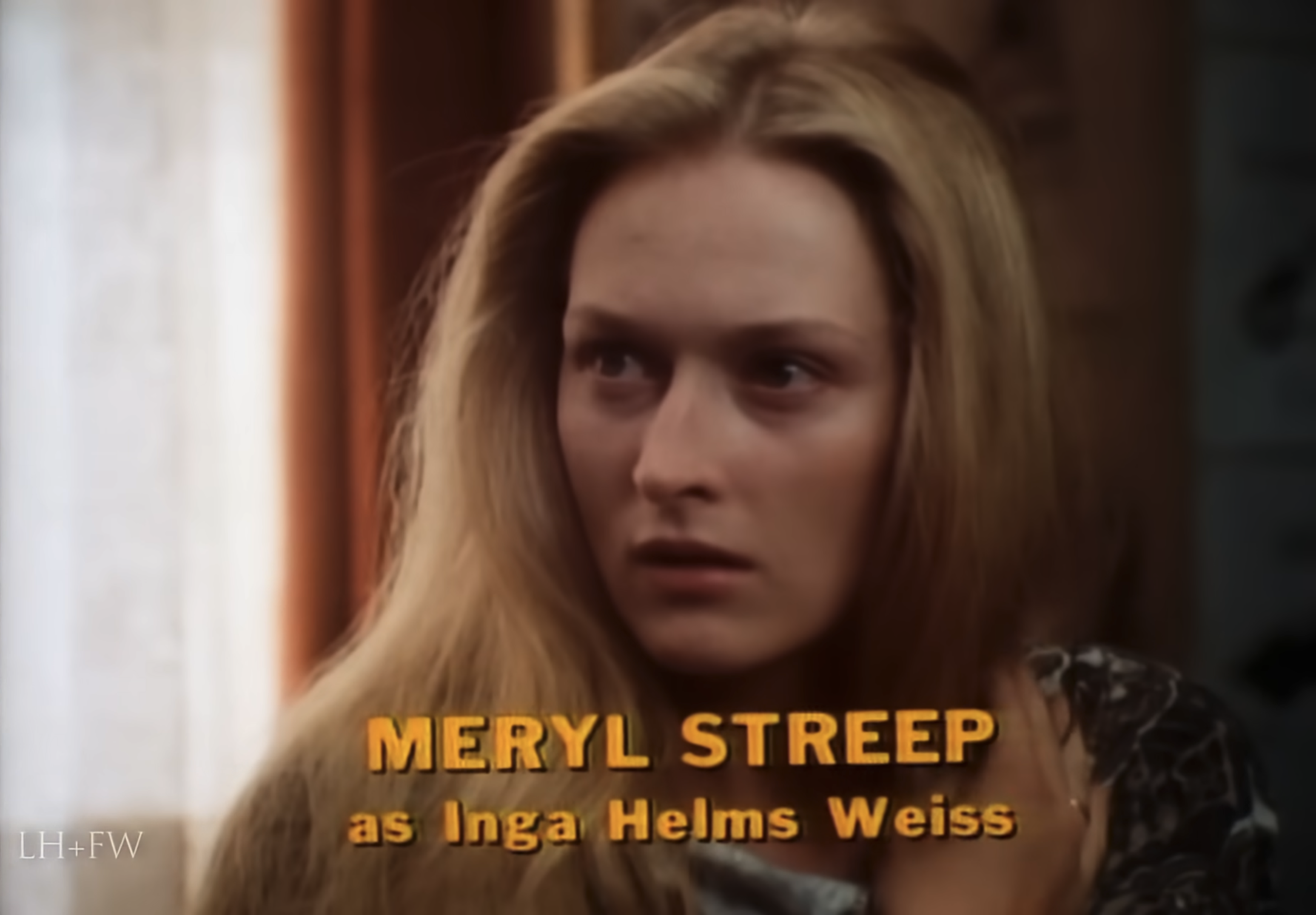
Meryl Streep ● She has become one of the most recognized names in the movie industry, but if I’m not mistaken, this was her second big movie production ever. Streep plays Inga Helms Weiss, a Christian woman who marries a Jewish man in the first few minutes.
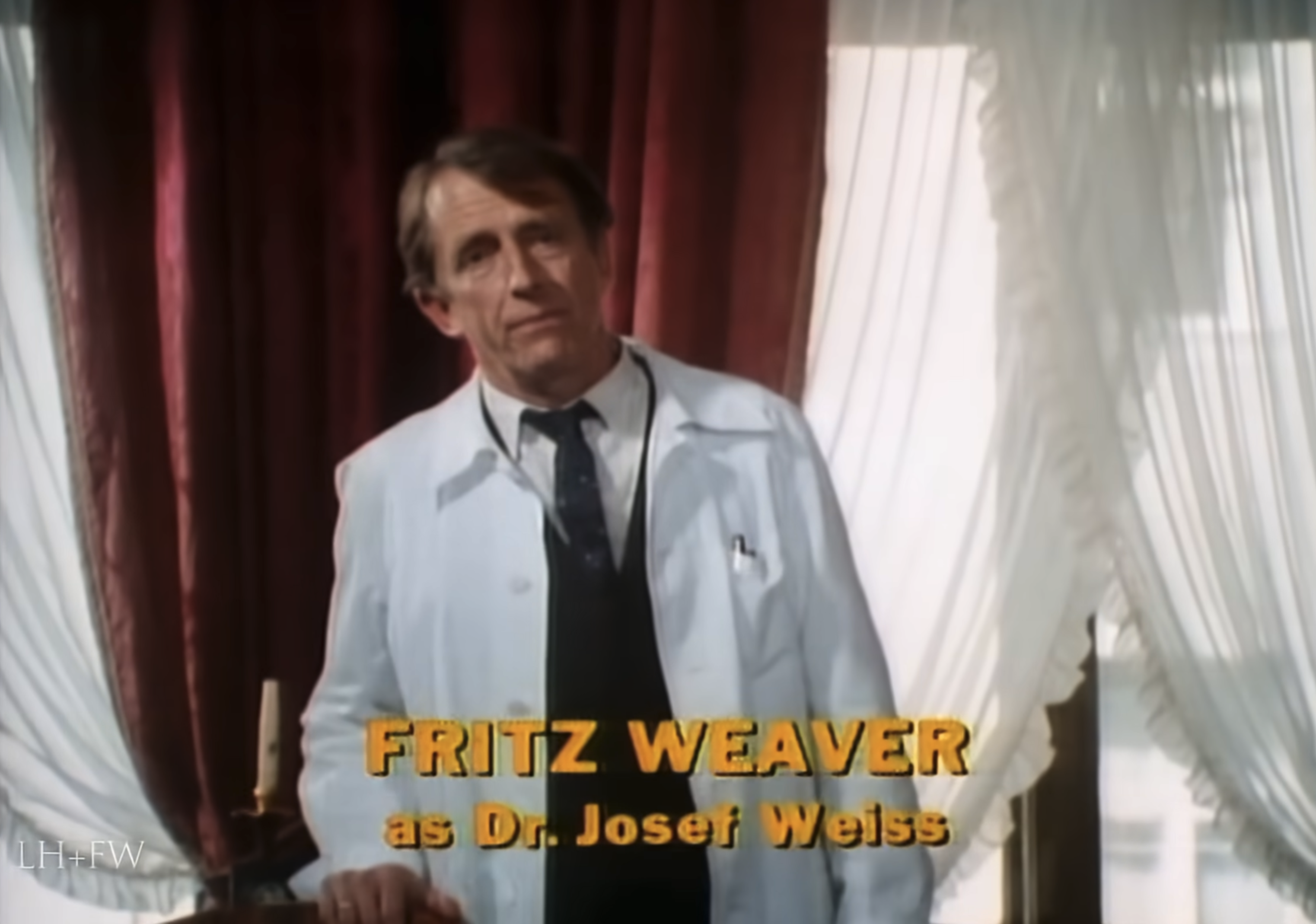
Fritz Weaver ● A recognized face since he was in a ton of tv series at the time. Weaver portrays the patriarch of the Weiss family.
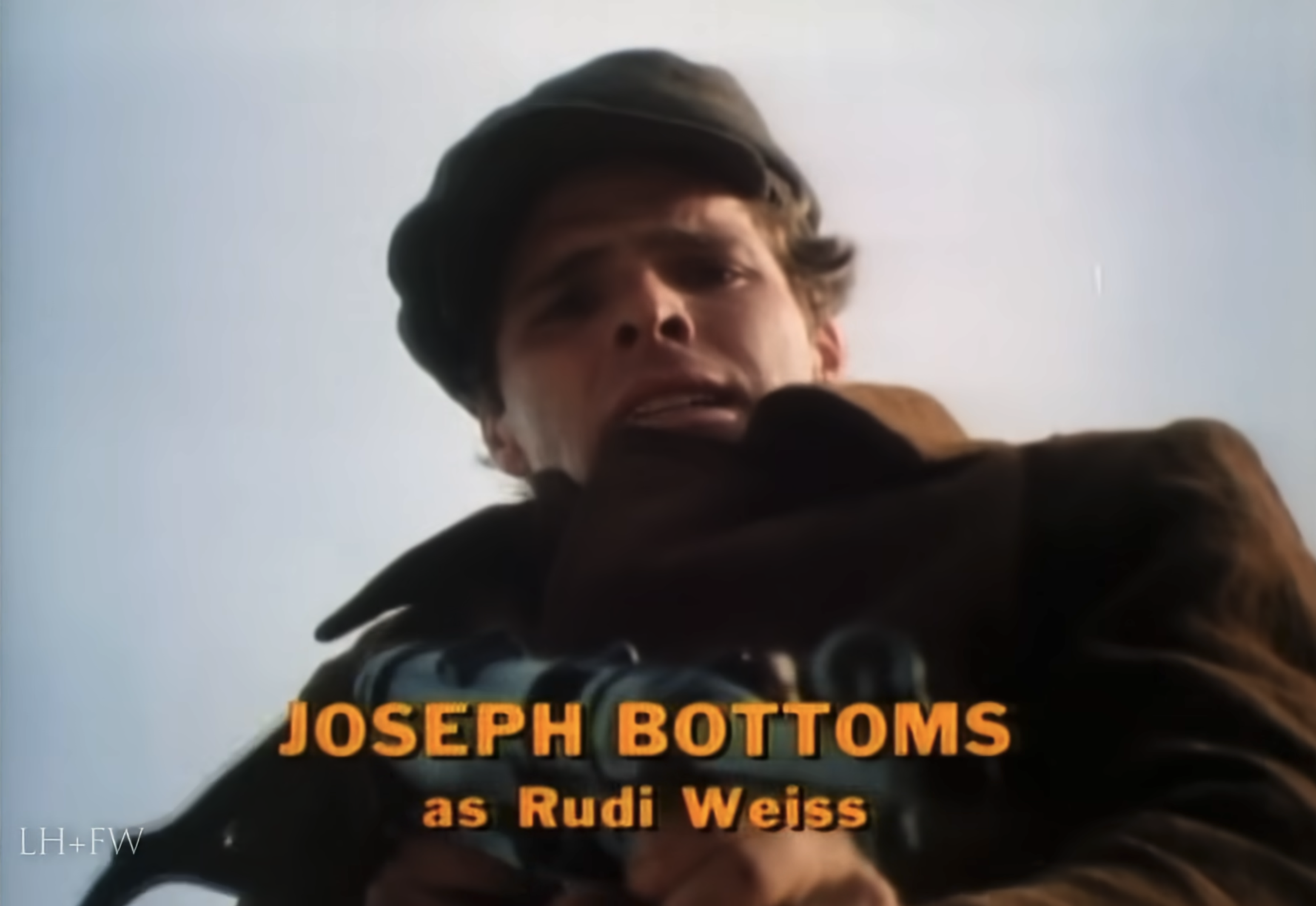
Joseph Bottoms ● I remember him from “The Black Hole”, filmed the year following Holocaust. Bottoms plays a son of the Weiss family who undertakes a wild journey through war-torn Europe.
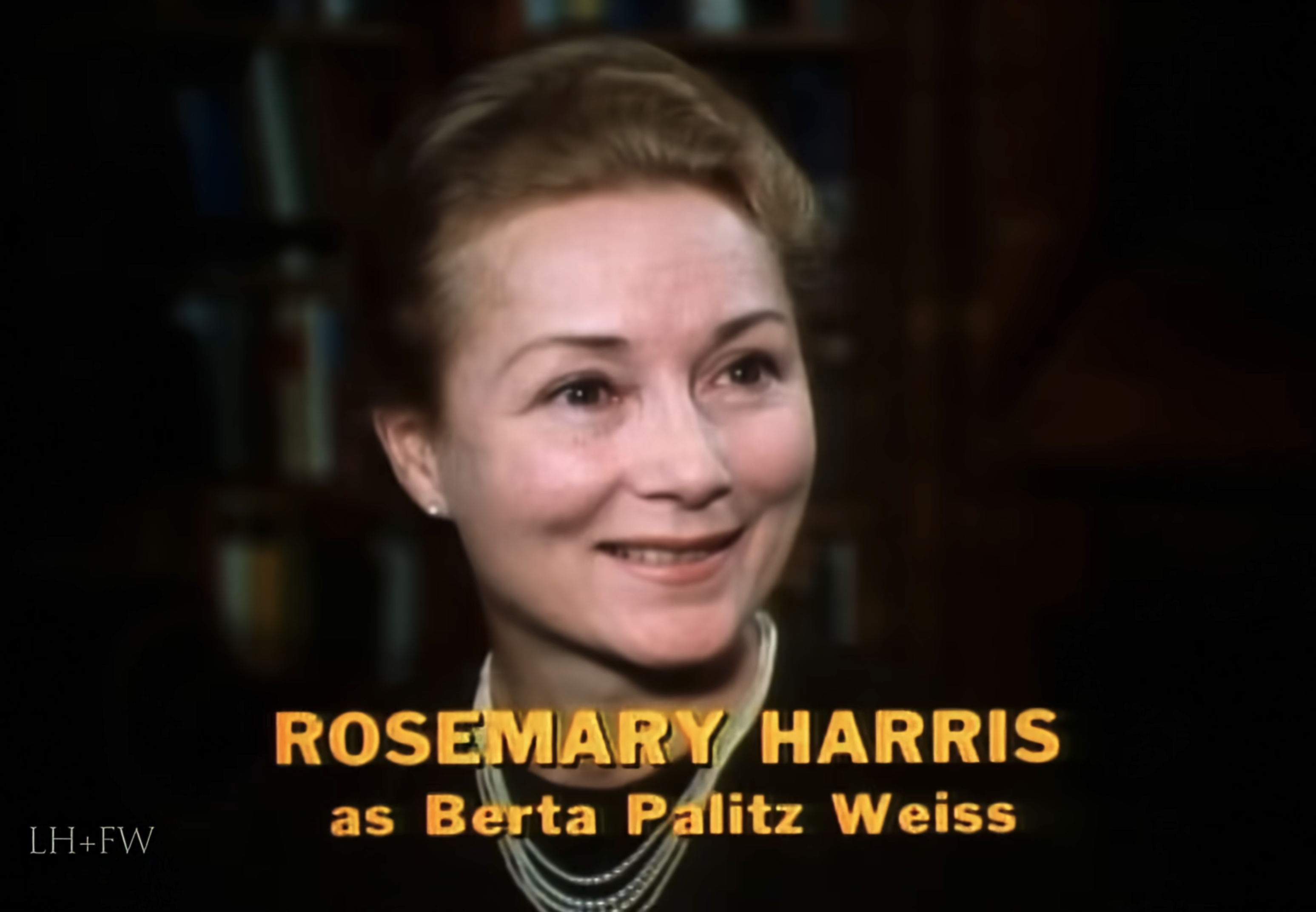
Rosemary Harris ● With an extensive stage & film career, Rafa recognized her as Aunt May Parker from the first movie adaptions of Spiderman in the early 2000s. Harris portrays the matriarch of the Weiss family.
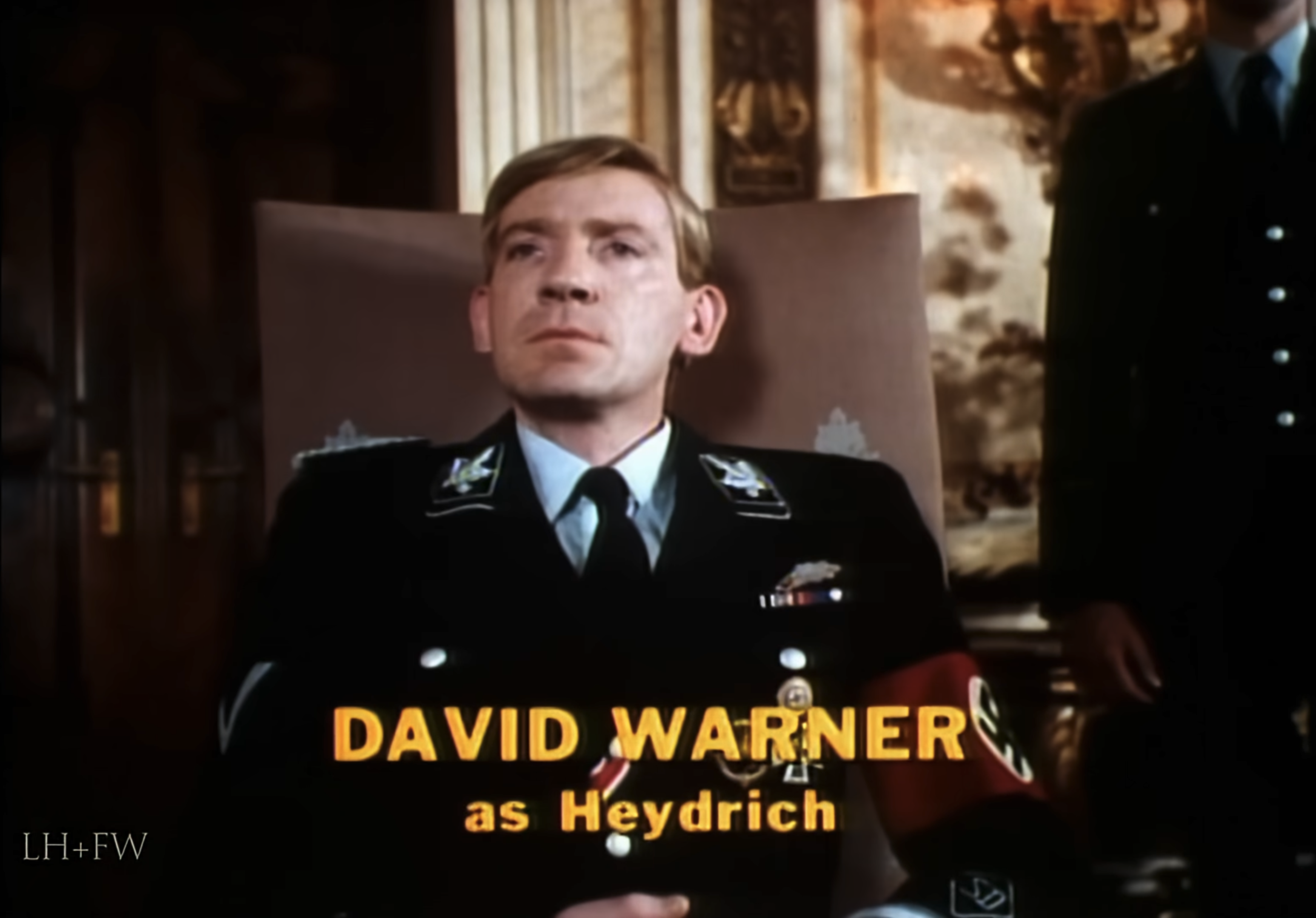
David Warner ● He was often cast as a villain in the 1980s, so I remember him well from Time Bandits & Tron. Unforgettable. Warner plays Reinhard Heydrich, a top SS official & main proponent of the Holocaust.
Plot
The story begins with the 1935 wedding of Inga Helms to Karl Weiss, so we’re introduced to most of the main characters at their reception right away. The well-off Jewish Weiss family eventually realizes that they will be targeted, even though they are proud Germans. The Dorf family plays their counterpoint as Erik —a meek, uninspired lawyer— needs a job & joins the National Socialist party. He eventually grows more evil under his mentor Heydrich, although Erik briefly regrets being part of the Final Solution. Briefly.
As families are split further, we witness the gruesome development of the concentration camp model & the consequences of any sort of resistance. Don’t expect a happy ending here, folks; most of the main characters die. But I’ll let you discover who manages to live through World War II.
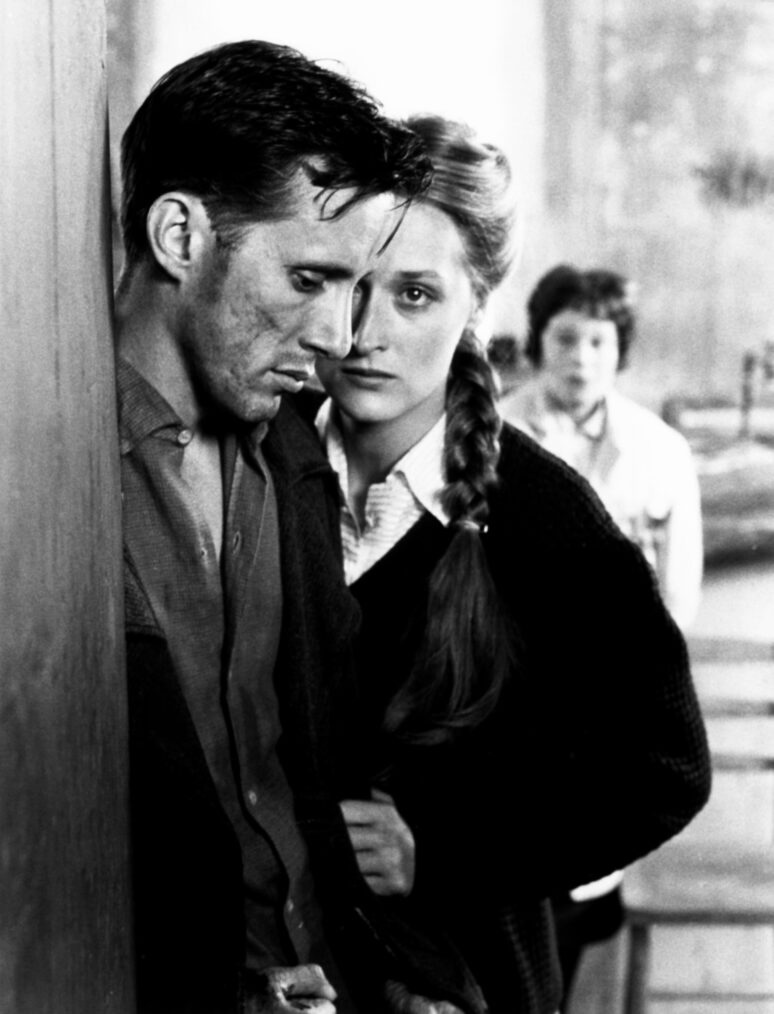
Some actual Holocaust survivors criticized the miniseries for whitewashing their inhumane treatment & turning it into soap opera drivel, while others praised the fact that we could follow the emotional journey of these fictional characters from beginning to horrific end. However, the undeniable benefit of broadcasting Holocaust to a national audience was the dialogue it generated… often for the very first time since 1945.
German reaction
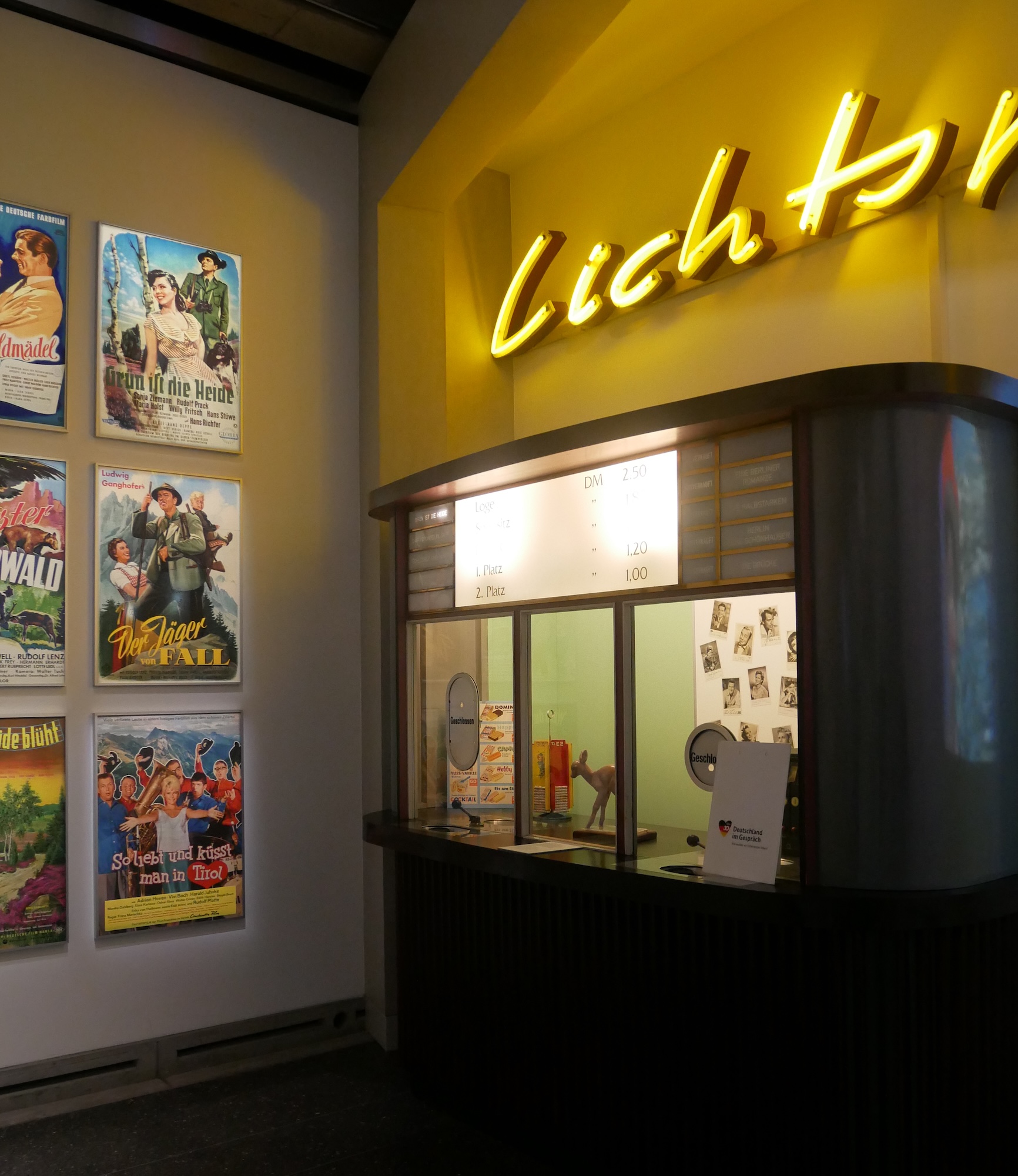
The Bonn museum devoted space to the Holocaust miniseries by placing a video loop on a small-screen tv, so I wondered what the German reaction was to its broadcast. The US audience reached 120 million viewers (over half of the population), so interest spread quickly around the world. The BBC showed the miniseries in the UK, followed by Belgium & surprisingly by Israel.
Scheduled for airing in Germany in January 1979, interest had been piqued by the 40th commemoration of Kristallnacht —an event portrayed in the miniseries— two months earlier. Genuine discussions about Nazi war crimes against Jews had already begun, & the broadcast of Holocaust fit well within this time frame… in spite of (or perhaps due to) NeoNazi activity on the rise in the late 1970s.
Although only an estimated 25% of West Germans watched the miniseries, public debate was intense. As Zielinski & Custance state:
The American tv series about the families Weiss and Dorf succeeded in bringing about a phenomenon where documentaries, curriculae, stage plays, historical novels, poems, and feature films before it had failed. For many days words like Nazi-crimes, concentration camps, anti-Semitism, Auschwitz, neo-Nazism and, finally the term “Holocaust” itself, pervaded and satiated the daily life of most West Germans. What had formerly been the province of a few educated circles and certain political groupings became a public event of the first order. 1
I also love Zielinski & Custance’s observation that if you didn’t watch Holocaust, you must have had little to talk about that week! Former Nazi officers confessed to knowing what happened to Jews at the time —expecting to be admired for their honesty— & even former Nazi Second Lieutenant Karl Carstens became President of Germany in July 1979 without much questioning of his past. However, the miniseries crossed the gap between information & entertainment to raise general public concern about this event for the first time.
Spanish reaction
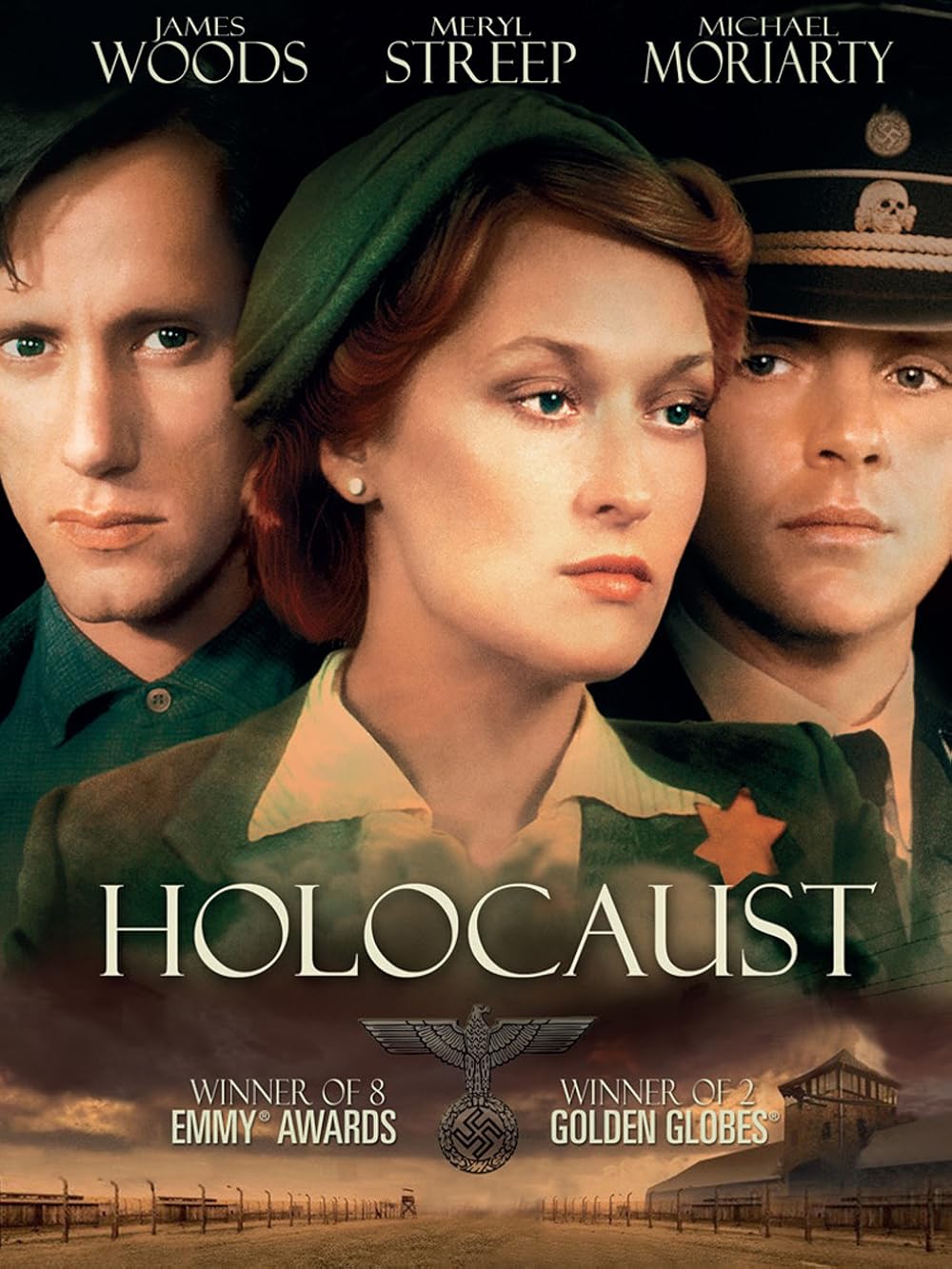
Rafa was only one-year old when Spain first emitted Holocaust on the national network in June 1979… just a few months after the German broadcast. He obviously remembers a later repeat broadcast, but enough to recall its impact on him as a child.
Herrero Izquierdo2 examined all published reader submissions in the newspapers El País & ABC concerning the miniseries & found some interesting results. As in the US & in Germany, Spain had a panel of experts discuss events in the miniseries along with every episode; historians, psychologists, Holocaust survivors, philosophers & even former Nazis were all represented.
The general response was one of catharsis, especially given the fact that Spain had just signed its constitution the previous year & was in a period of transition. Franco’s allegiance to Nazi Germany prevented most Spaniards from knowing the true horrors of the Holocaust. Some viewers tried to deflect the conversation to other pressing issues of the time, such as abortion or violence from the Basque terrorist group, ETA. But the fact that Spanish national television flexed their muscle to show such a provocative program demonstrates forward thinking & an embracement of Spain’s newly-established democracy.
●
●
●
Why revisit this miniseries now? Holocaust deniers still exist in 2026, many German teenagers don’t know what function Theresienstadt & Auschwitz fulfilled, & the ultra-right AfD party is winning more German elections than ever before. If Holocaust could generate international dialogue & be used for education in the 1970s, perhaps its message can help us again at such a critical moment in world history.
1 ZIELINSKY, Siegfried y CUSTANCE, Gloria. (1980). History as Entertainment and Provocation: The TV Series “Holocaust” in West Germany. New German Critique, (19), 81-96.
2 HERRERO IZQUIERDO, Jacobo. (2020). Holocausto en TVE: La serie sobre el genocidio judío y su repercusión en la opinión publicada in La narrativa audiovisual: del concepto a la alfabetización mediática, 21-32.