
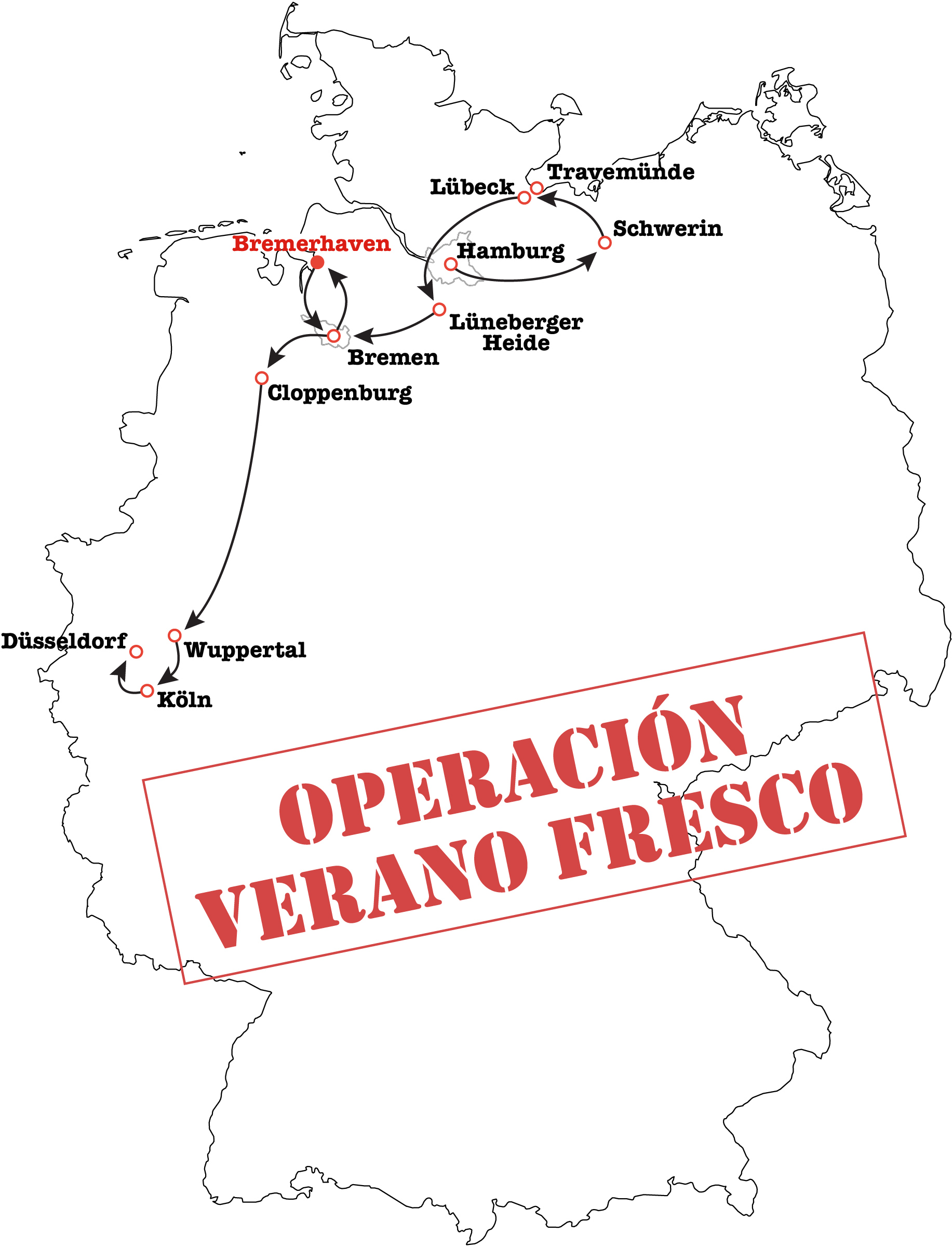
Not originally included in Operación Verano Fresco, the excursion to Bremerhaven was a last-minute decision… thinking we’d have a quick look around & return to Bremen for the city hall tour. But we soon realized that the city had so much to see & decided to forfeit our pre-paid Rathaus tickets. That beautiful waterfront, a preserved trading ship from 1380, a World War II U-boat & an emigration museum kept us busy all day!
New port for an old city
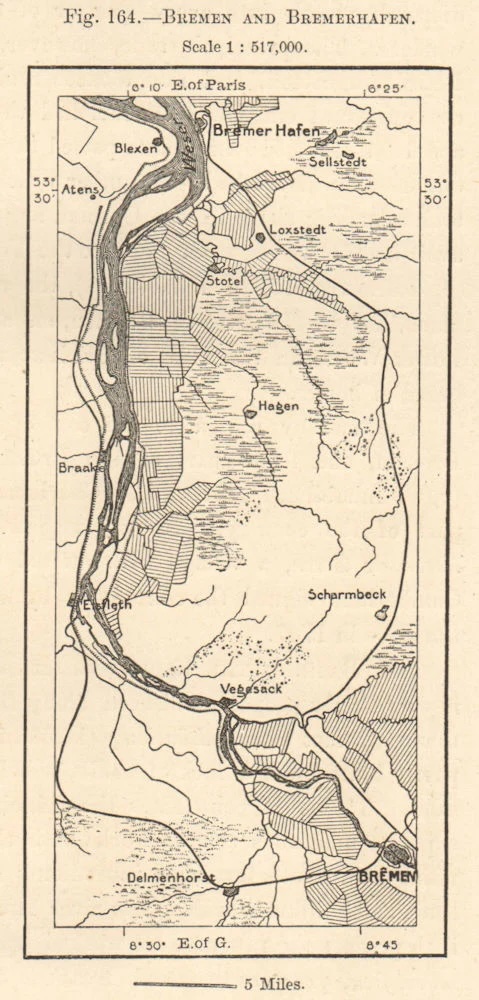
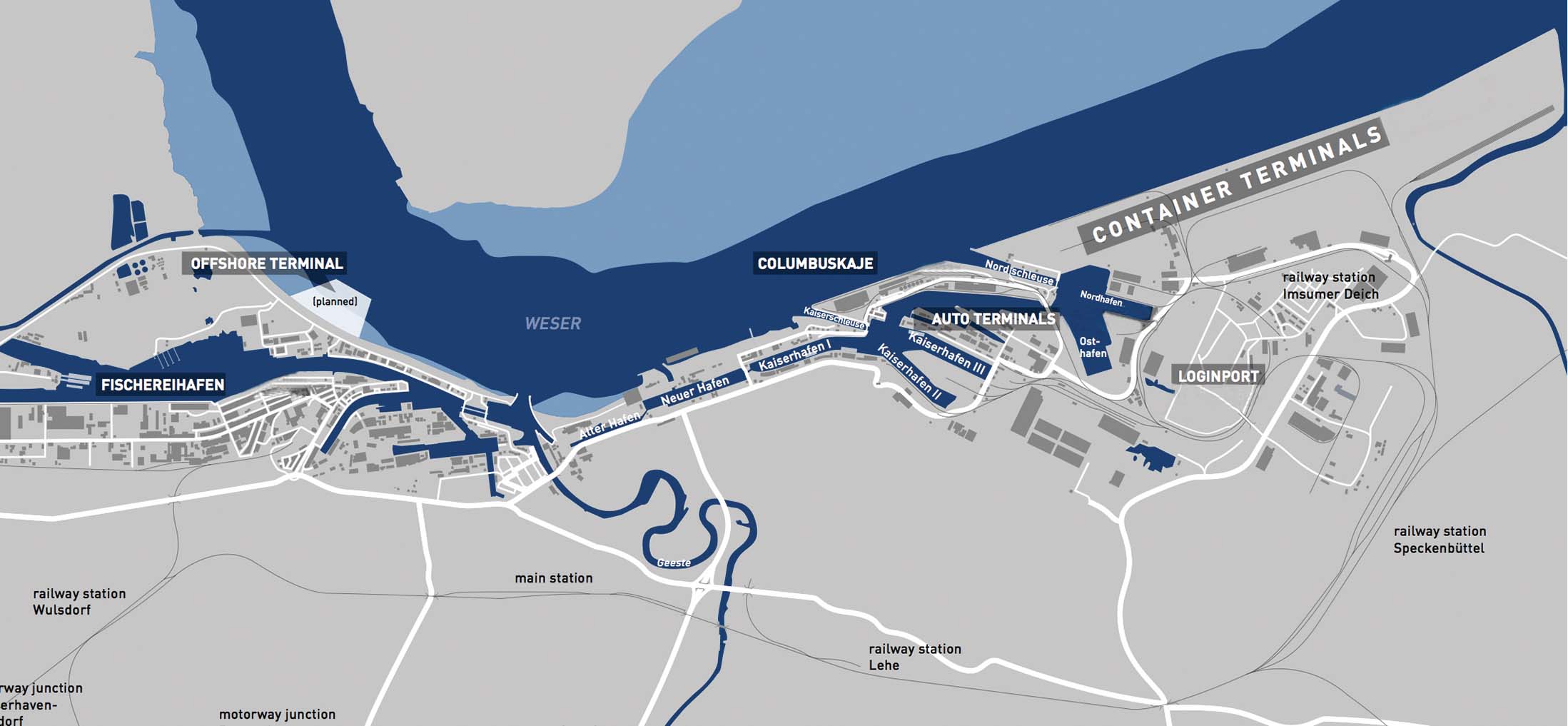
The city-state of Bremen is a political oddity in modern Germany, consisting of four non-contiguous locations. But its origin is easy to understand by looking at the above map. Located about 60 km inland along the Weser River, Bremen enjoyed high status in the Hanseatic League… until silt deposits made reaching the city increasingly difficult. In 1827, Bremen officials bought land from the kingdom of Hanover to develop a major port at mouth of the river.
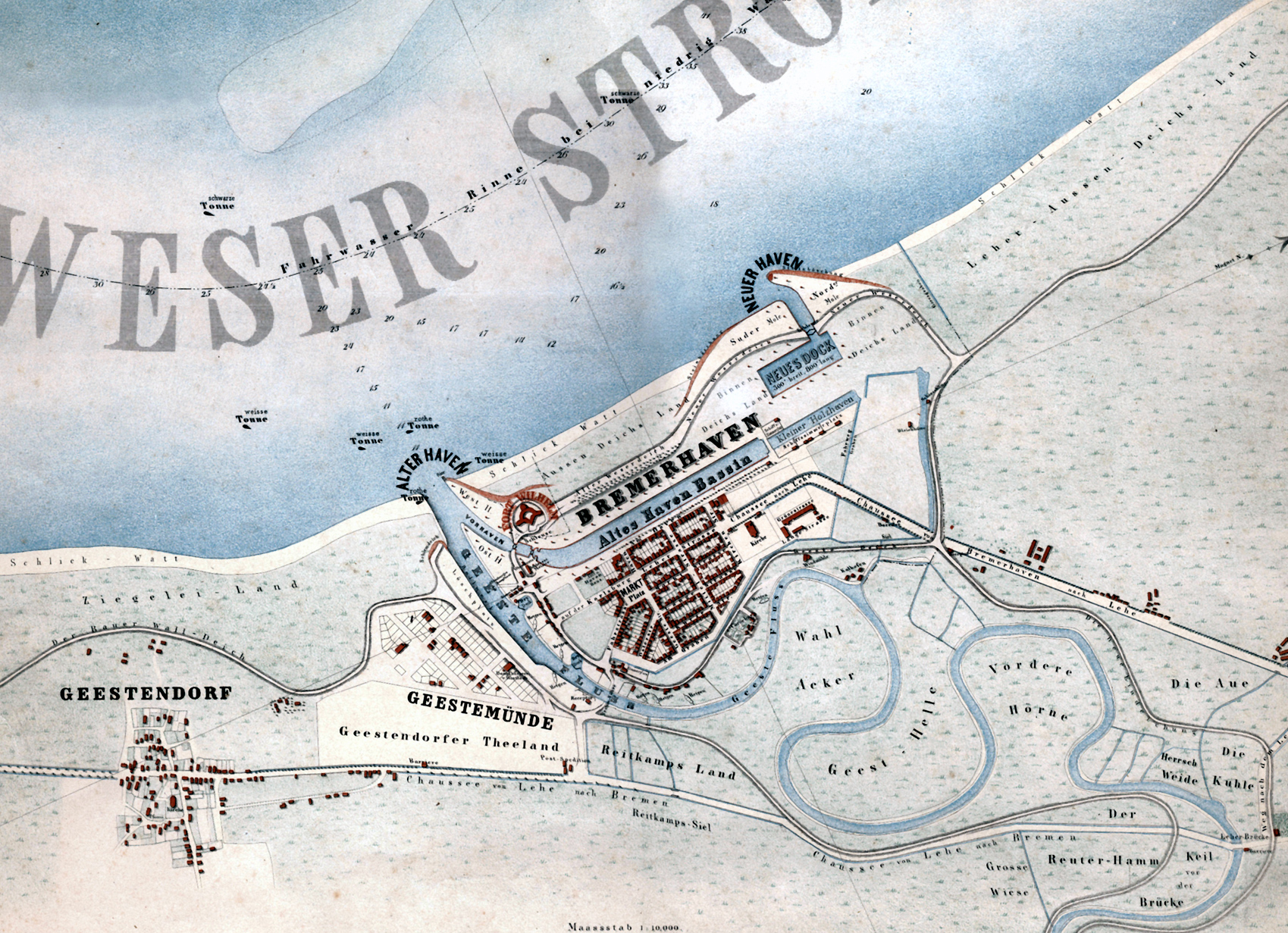
Literally named “the port of Bremen”, Bremerhaven grew rapidly. Docks were added as trade increased, railroad connections provided intermodality & the port served as the major point of emigration to America… usually to Ellis Island in the USA. A lack of local freedom combined with plots of land too small to maintain a family encouraged Germans to leave & find a better life elsewhere. For example, a farmer who only had half a hectare of land in Germany could obtain 64 hectares after just ten years in the United States. Who wouldn’t jump at that opportunity?
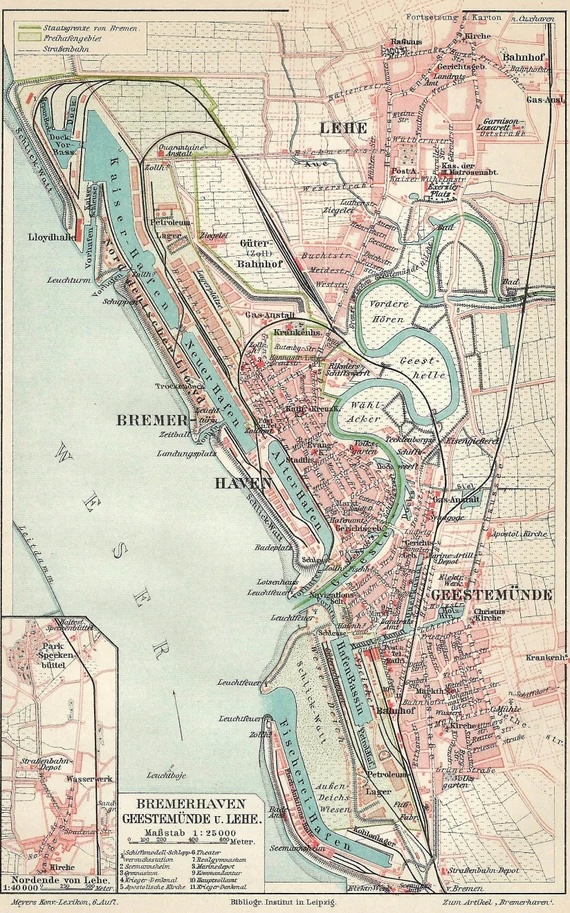
After playing an important role in two world wars during the 20th century, Bremerhaven continued to develop… thanks to American interest & a deal with the UK to control the port. Bremerhaven maintained relevance by developing container terminals, cruise ship facilities, an important automotive distribution center & even moveable, floating docks. Maybe it’s my own past connection to the shipping industry, but I find the current map of Bremerhaven fascinating… I’d love to see it all!
Waterfront
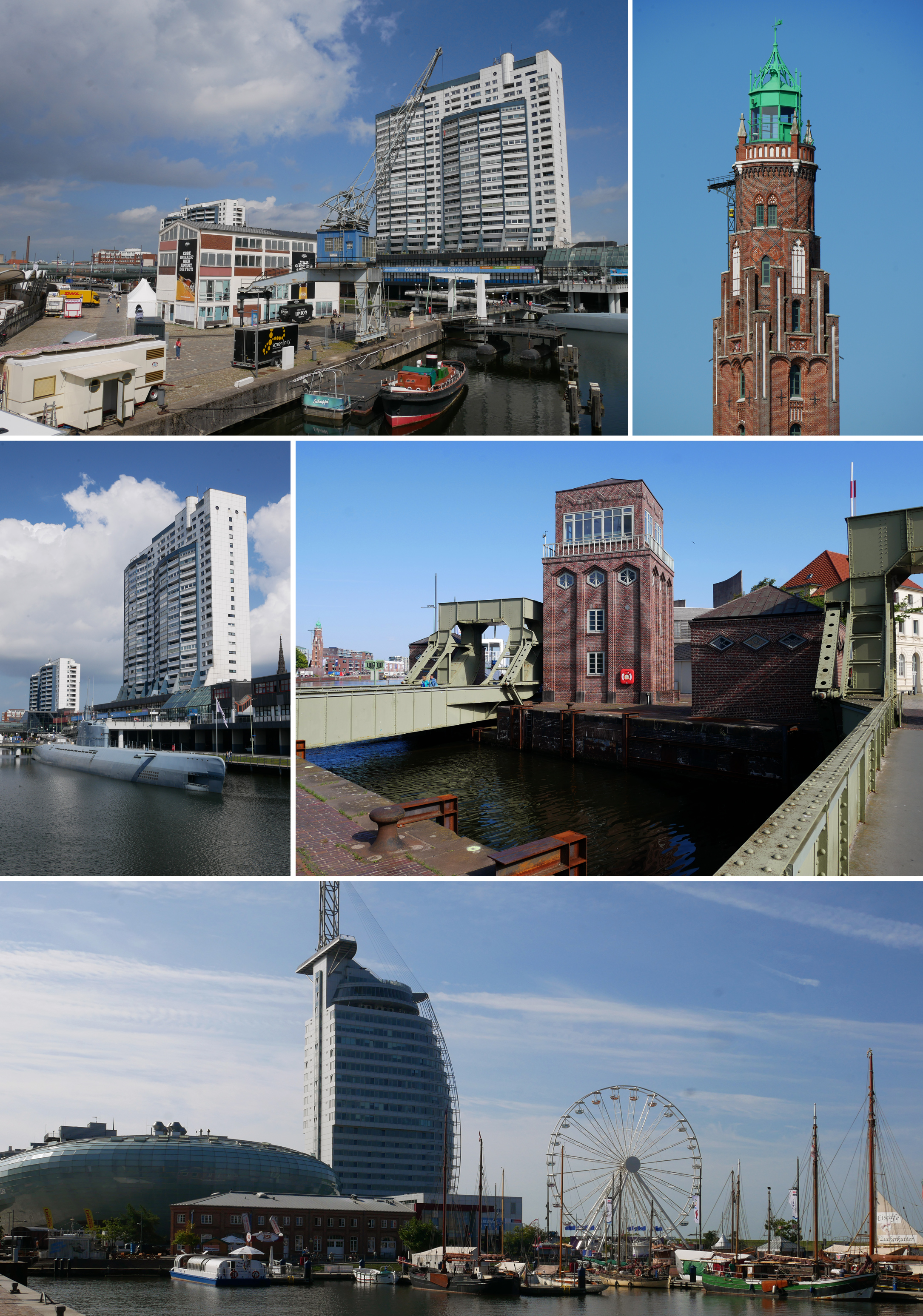
Most of the city’s tourist attractions sit along three connected Alter-, Neuer– & Keiser– docks. Even without former infrastructure like railroads & warehouses, the typical 1800’s port style is still easily visible & reminded me of Puerto Madero in Buenos Aires or the Royal Albert Dock in Liverpool. Modern development sits alongside bits from the past & makes for a wonderful area to stroll. I wish we’d had time to get closer to the 1855 brick lighthouse, but museums called…
German Maritime Museum
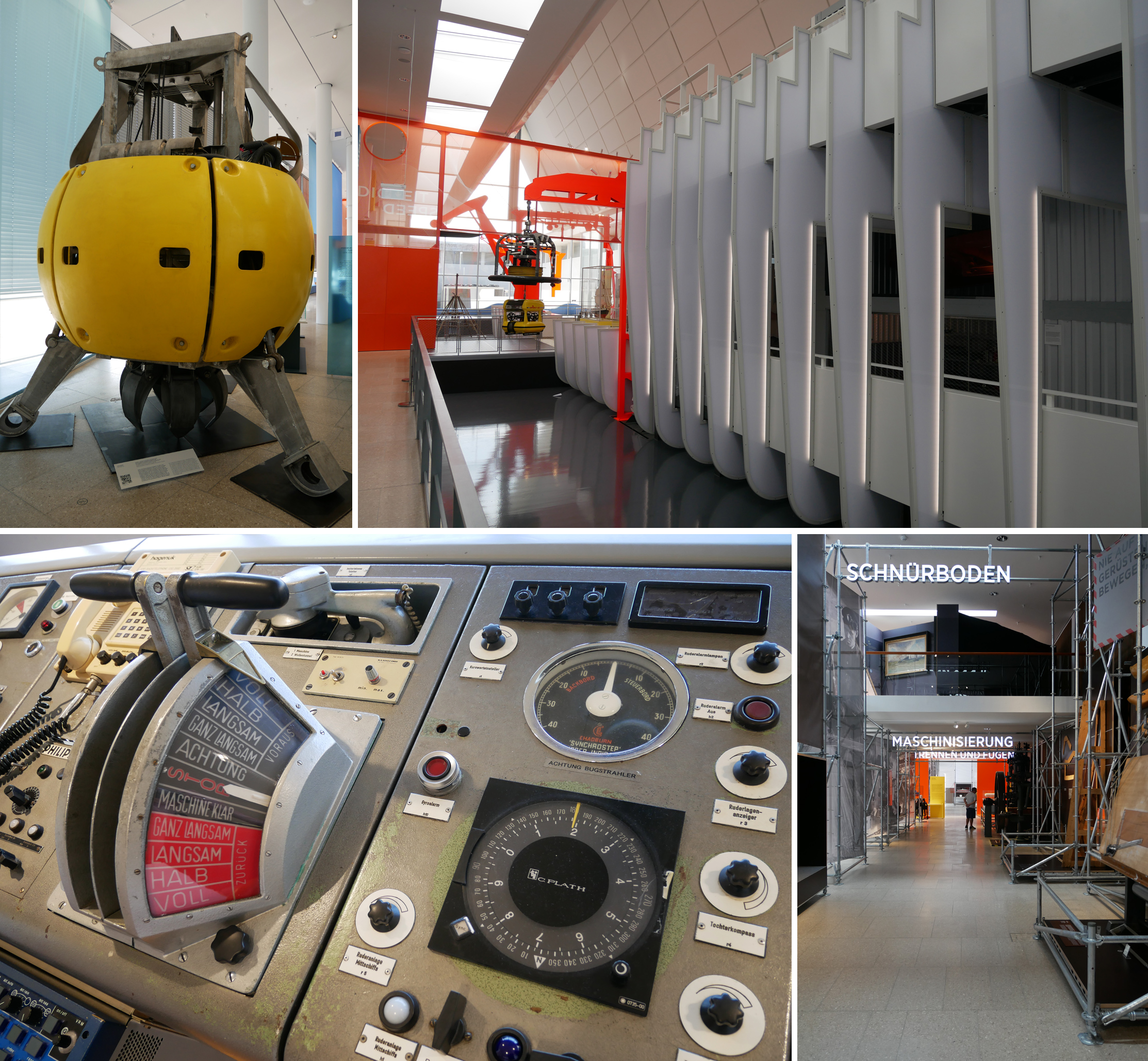
Opened in 1975 & recently restored in 2024, these facilities replaced a former location in Berlin that had been destroyed in World War II. The museum focuses on marine research as well as advances in maritime trade through industrialization with a mix of static & interactive exhibits. Time lines, maps & an innovative reproduction of a research vessel gets visitors involved.
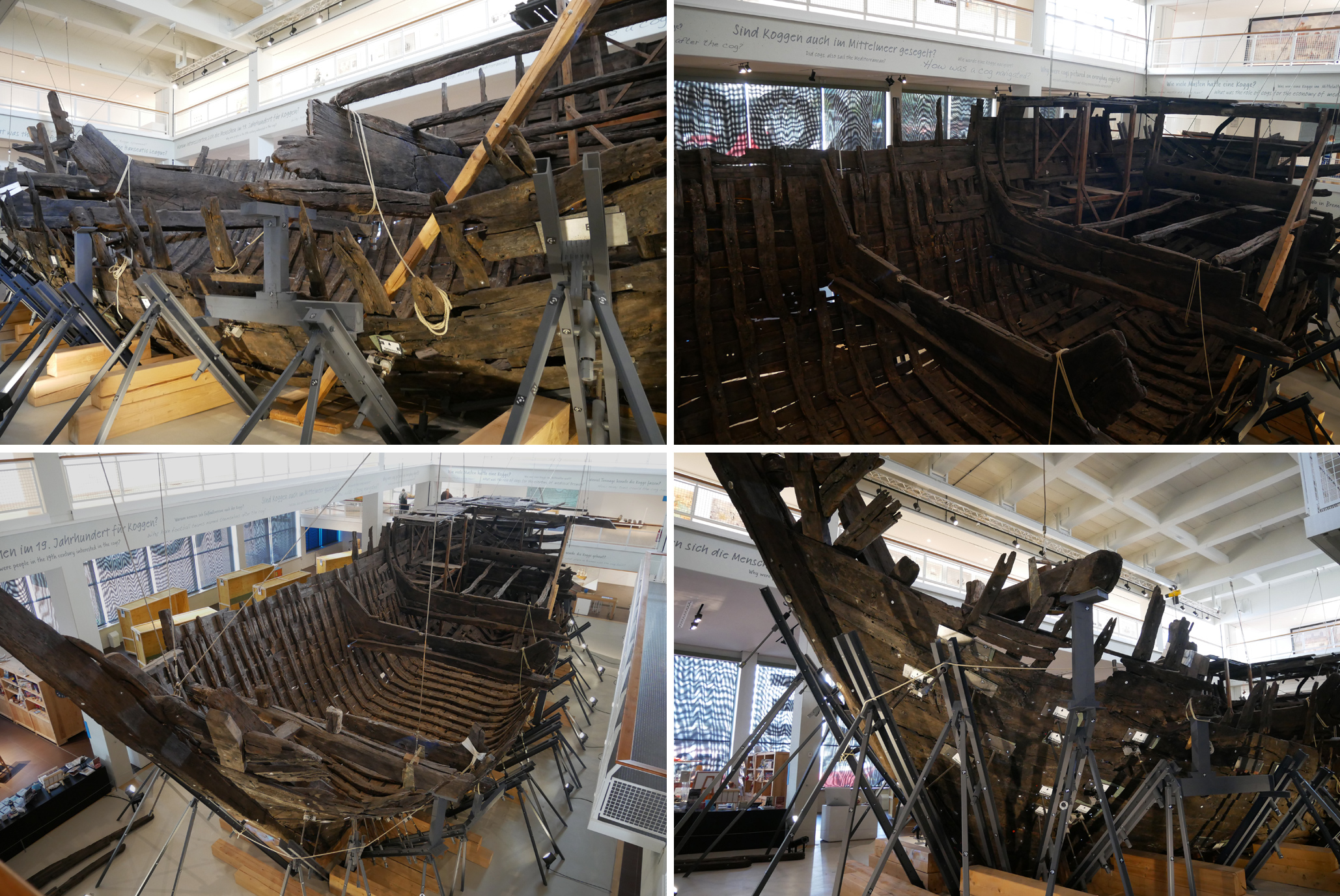
Housed in a separate building, the marvel of seeing a preserved cog from 1380 is nothing short of breathtaking. Found in the Weser River in 1962, displays take you from the initial discovery through the complicated preservation process & finally to the piece itself —here since 2017.
Seefalke
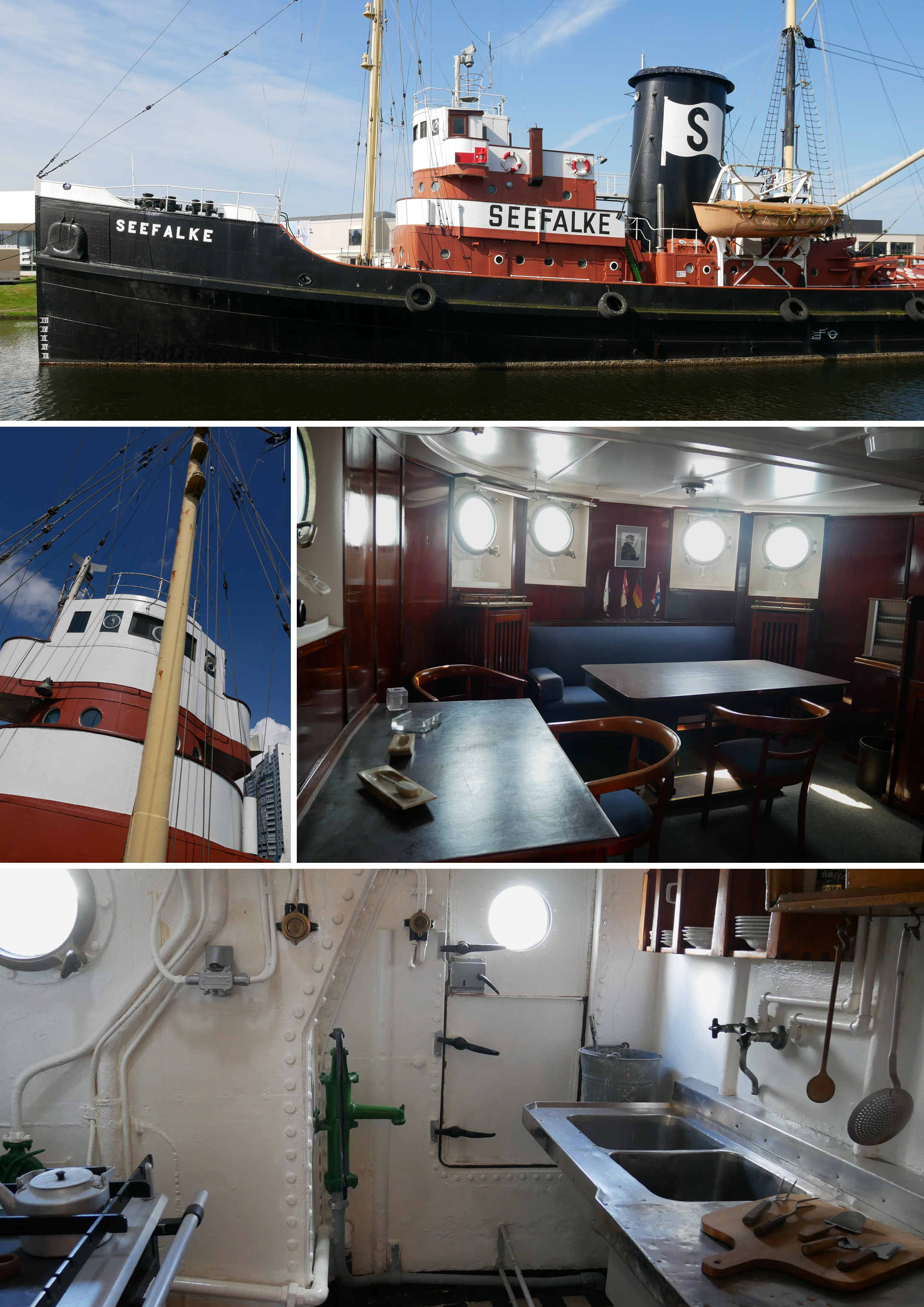
The Seefalke operated as an Atlantic salvage tug from 1924 until World War II when it was sunk at port in Kiel. This must have been a much-loved vessel since the Hamburg-based Bugsier Shipping Company raised the boat, sunk it again but a deeper location to avoid destruction, then returned it to service until 1970. I’m obsessed with galleys, & this one looks very comfy to cook in.
Elbe 3
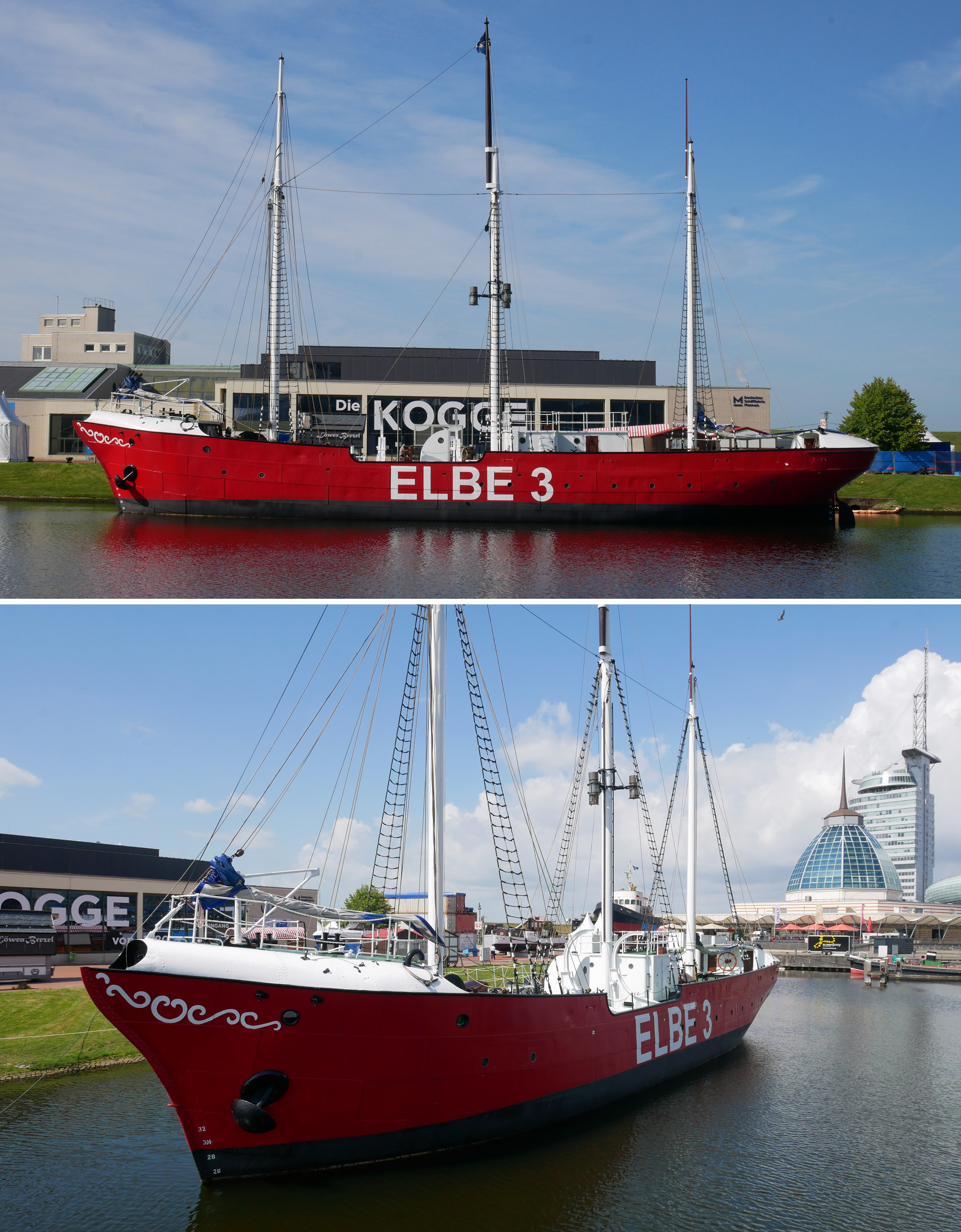
Built in 1909, this ship’s first job was guiding sailors through the North Sea to the Eider River estuary… no easy feat. During World War I, the vessel served as a lightship with a beacon for German vessels & offered guidance through mine fields. Docked here since 2024, we didn’t get a chance to go on board but look forward to it next time.
German Emigration Museum
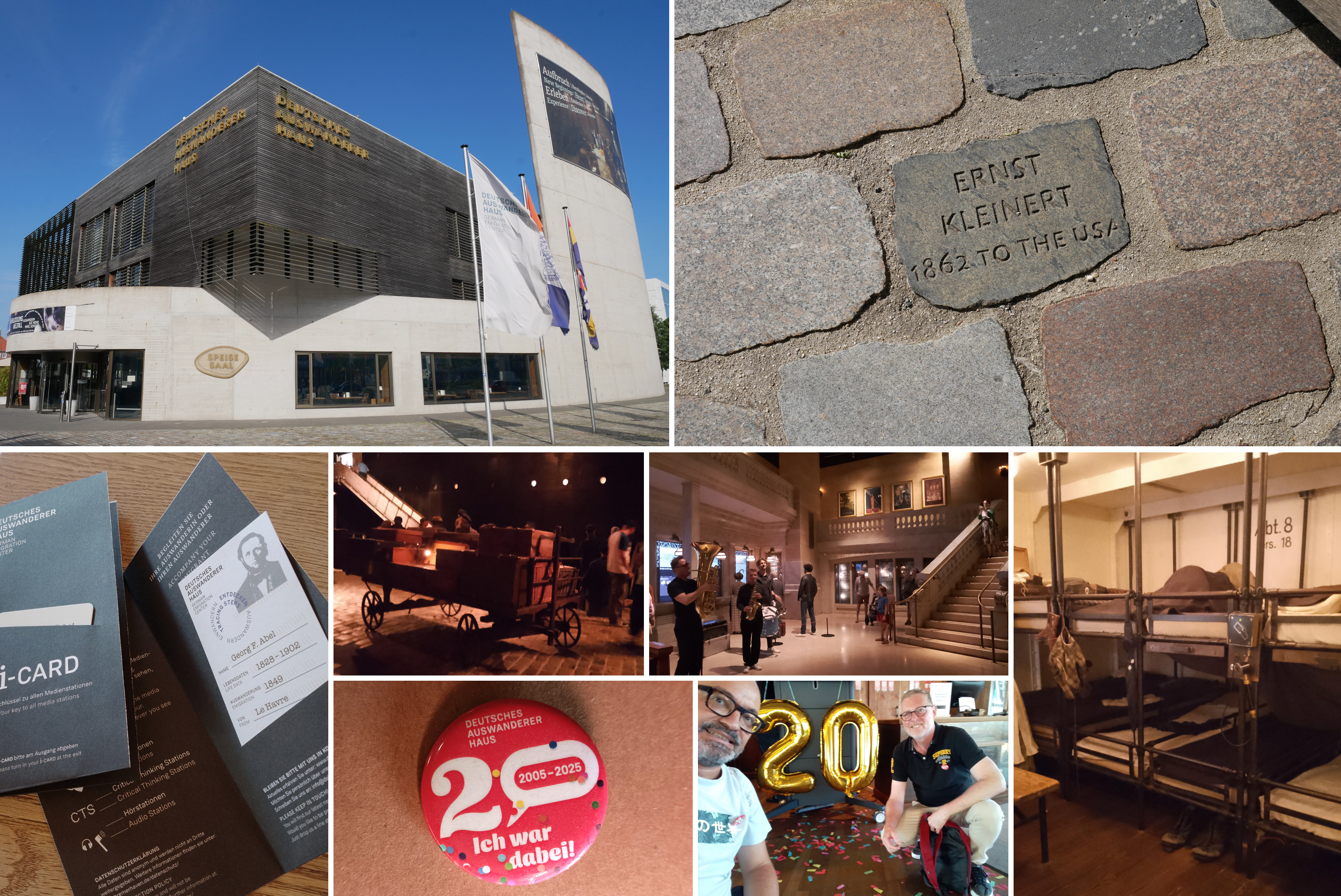
Here’s the real reason we skipped out on the Rathaus in Bremen: it was the 20th anniversary of the opening of the German Emigration Museum. Entry was free that day, we got a pin —always a plus— and were thrilled to discover this is one of the newer, immersive-style museums. You receive a new identity for the duration of the visit, follow this person’s story with interactive exhibits & the large boat façade you see from the port is actually the boat you’ll leave Germany on! We went through the entire process of entering a new country & establishing a new life abroad. My mom grew up in the US Midwest where German, Scandinavian & Eastern European traditions mingled with her own English background… a melting pot that I’ve learned to appreciate as well.
Schulschiff Deutschland
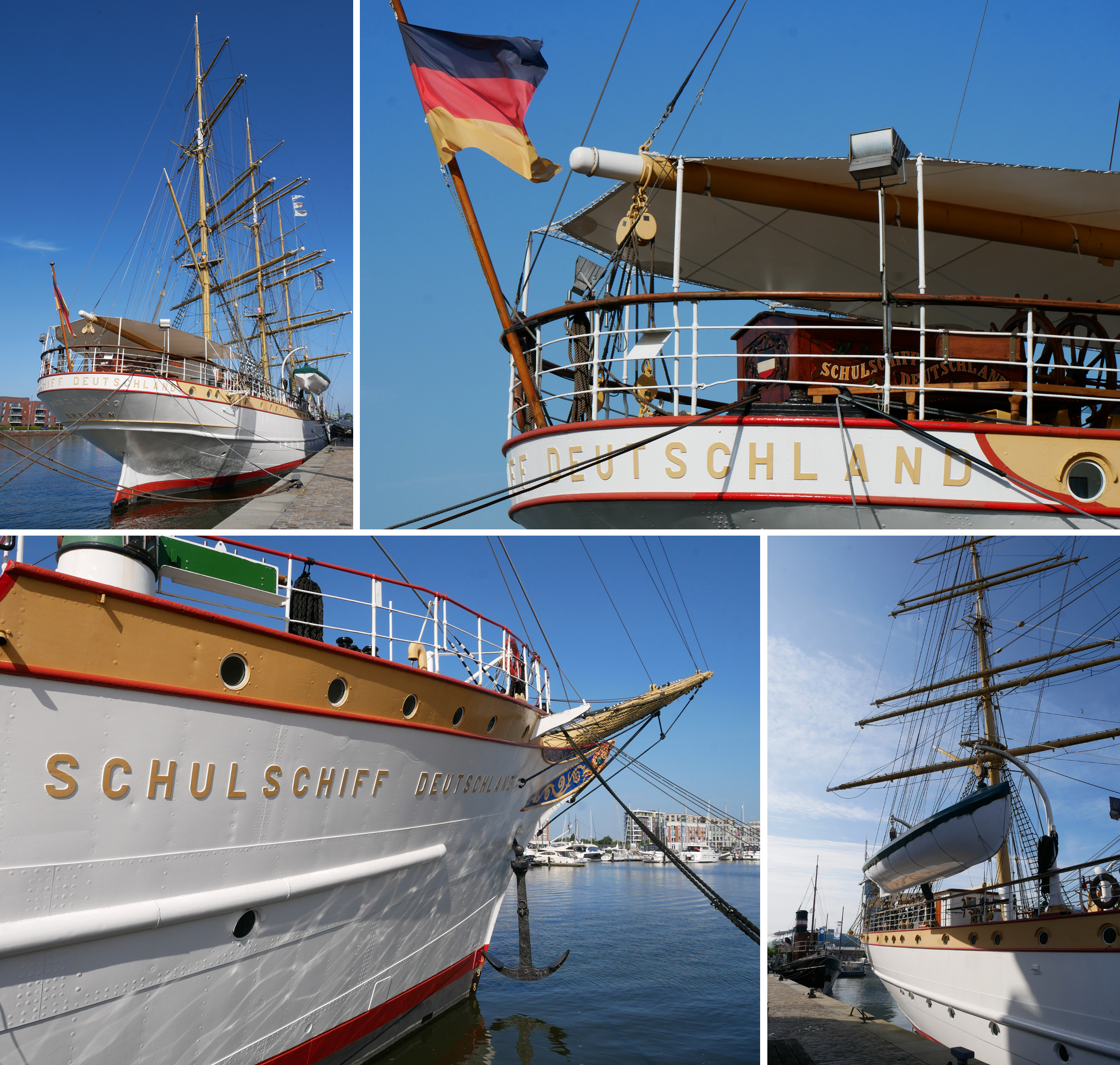
Launched in 1927, many a merchant marine trained on this full-rigged sail ship. The vessel was retired in 2001 & has since been docked in Bremerhaven as a historic monument.
Stier
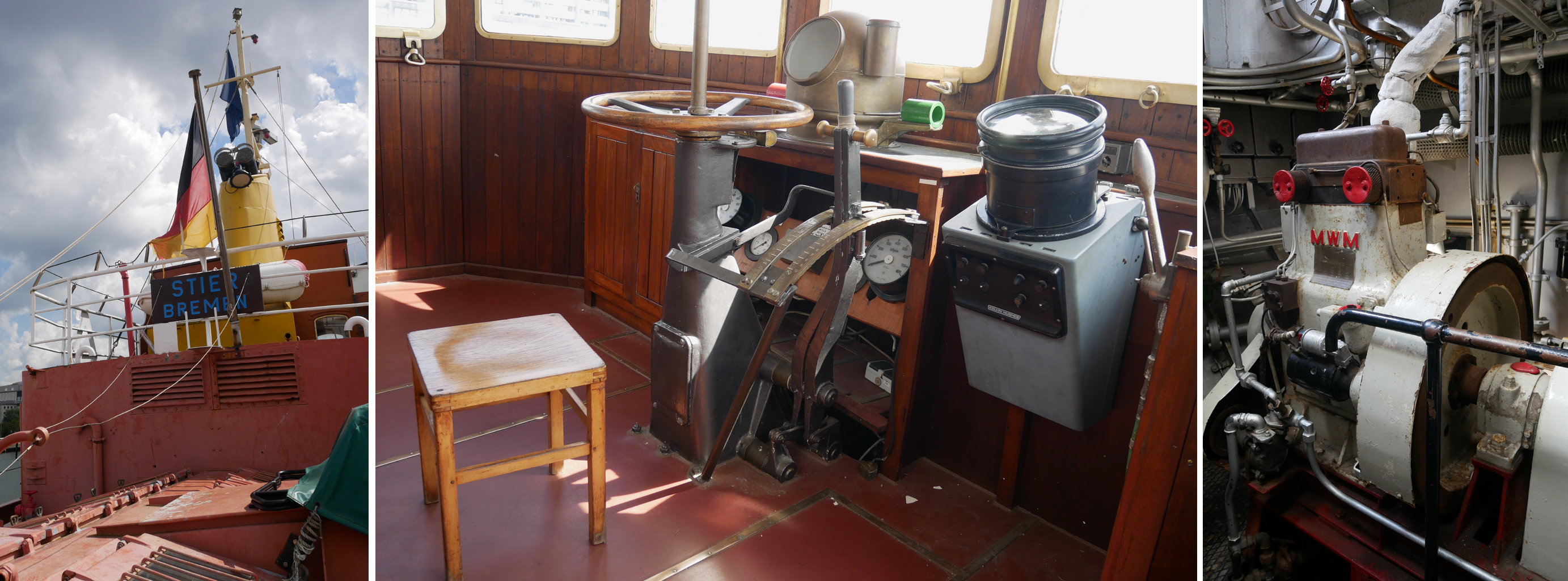
Built in 1954 for Norddeutscher Lloyd, this harbor tug set a new standard with multi-directional propellers that allowed for increased manueverability. Its propeller design is still used in new boats today & has even found application in offshore wind turbines.
U-2540
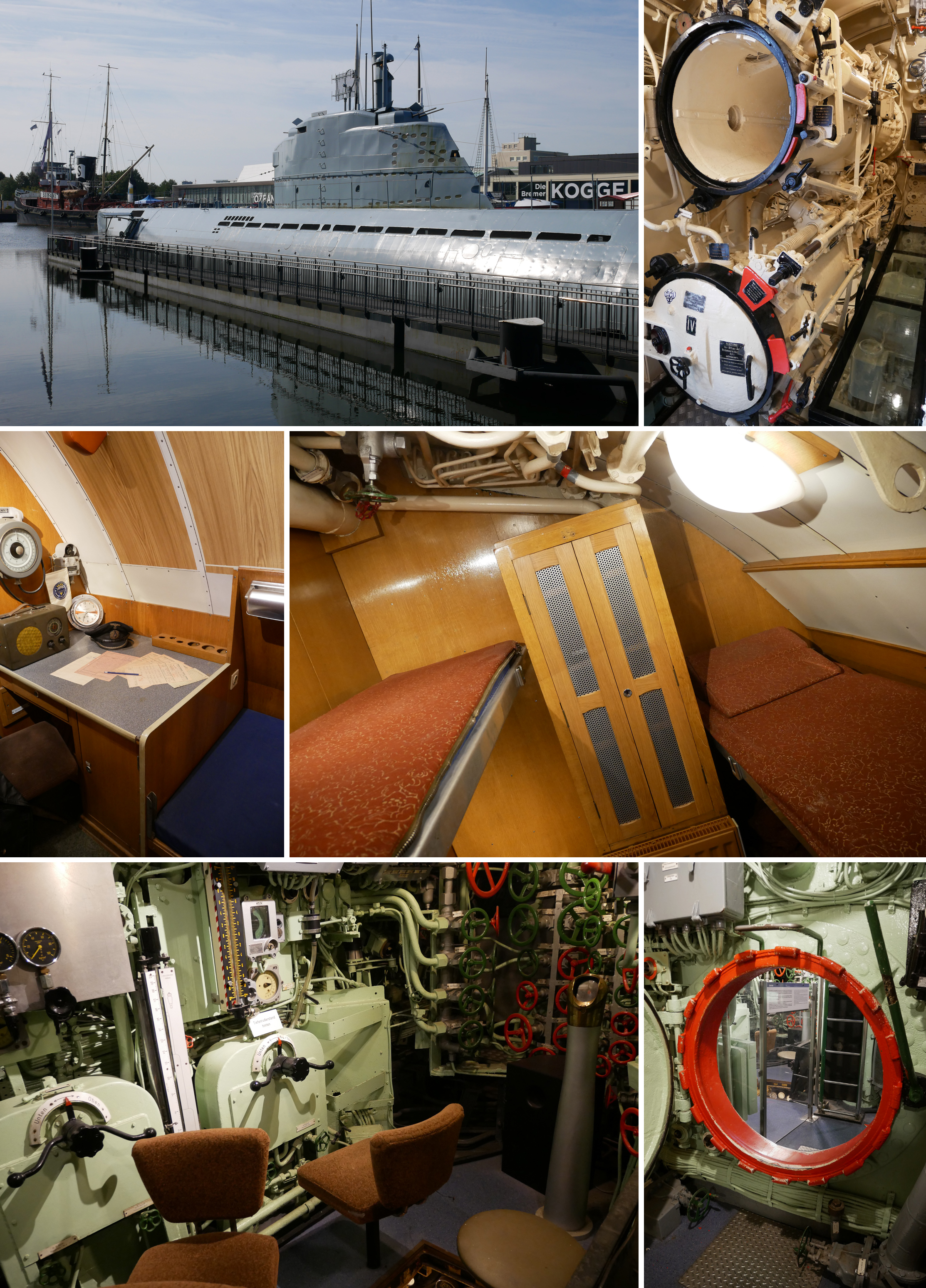
What a highlight, especially since we weren’t able to go to the Valentin submarine pens at the far end of Bremen. This massive piece of military machinery launched only a few months before the end of World War II & was scuttled before seeing any action. Raised in 1957 & rechristened the Wilhelm Bauer, the former Nazi submarine served as a test vessel for West Germany until an accidental collision in 1980. Four years later, the sub opened to the public as part of the German Maritime Museum.
●
●
●
I wish we’d had time to explore the fishing port, container terminals & other areas dedicated to commerce… although most areas are probably off-limits to the general public. We have to visit the German Naval Museum at nearby Wilhelmshaven as well! However, I’ll say this once again because it bears repeating: Germany does a wonderful job curating museums. Objects are wonderfully displayed, commentary often provokes reflection & even if certain items are not of primary interest, there’s always an opportunity to learn. Can’t wait to return!